7.6.2024, Friday 19:00 Uhr
Natan Sznaider im Gespräch mit Juliane Rebentisch
Venue:
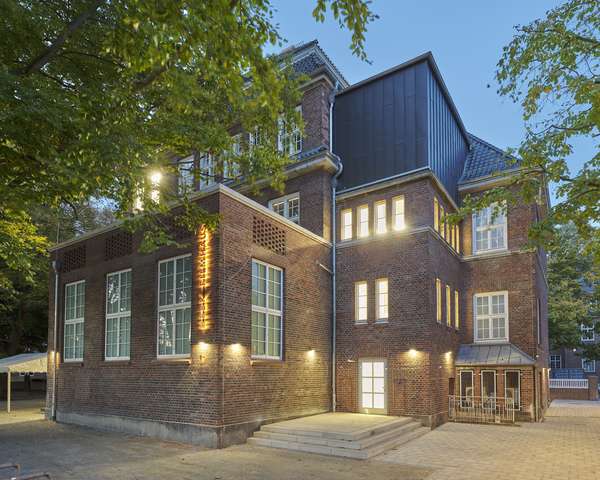
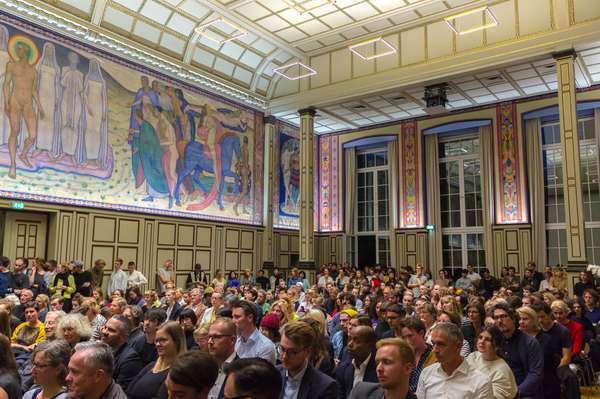
- Aula der HFBK Hamburg, Lerchenfeld 2, 22081 Hamburg
Web:
- kostenlose Tickets

[esc]
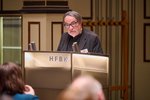
On 29 September 1959, publicist and philosopher Hannah Arendt gave an important acceptance speech to the Hamburg Parliament on the occasion of the Lessing Prize award ceremony. "On Humanity in Dark Times" addresses many topics that are still very topical today: It is about a new enlightenment, about intellectual and real freedom of movement, it is also about compassion and friendship as the basis for politics and it is about the limits of solidarity. Central to this is the question of Jewish identity in Europe, because Jews belonged to Europe and at the same time stood outside of European culture. They could not find peace with the world, but neither could they find peace with their own particularism. But Hannah Arendt went one step further in her Hamburg speech by characterising the period after 1945 as a "dark time" and not as the beginning of an era of liberation, echoing Bertolt Brecht's poem "An die Nachgeborenen". Israeli sociologist Natan Sznaider and philosopher and 2017 Lessing Prize winner Juliane Rebentisch, who have both studied Hannah Arendt's work intensively, will talk about the topicality of her speech.
Due to the planned demonstration against right-wing extremism in Hamburg, the discussion will begin at 7 pm.
Public event, free admission, limited number of places
Registration required, follow this link.
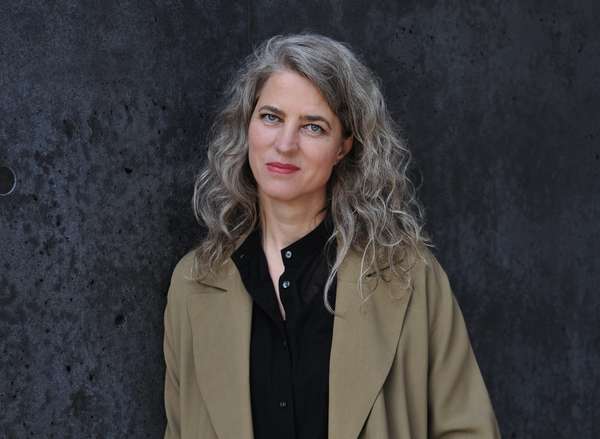
Natan Sznaider is a sociologist and was a professor at Tel Aviv University of Applied Sciences from 1994 to 2022, holding the chair since 1996. He has taught at Columbia University, the Hebrew University in Jerusalem and the Ludwig Maximilian University in Munich. He is currently a fellow at the Hamburg Institute for Advanced Studies (HIAS) and will be honoured with the Peace Prize of the Geschwister Korn and Gerstenmann Foundation in 2024.
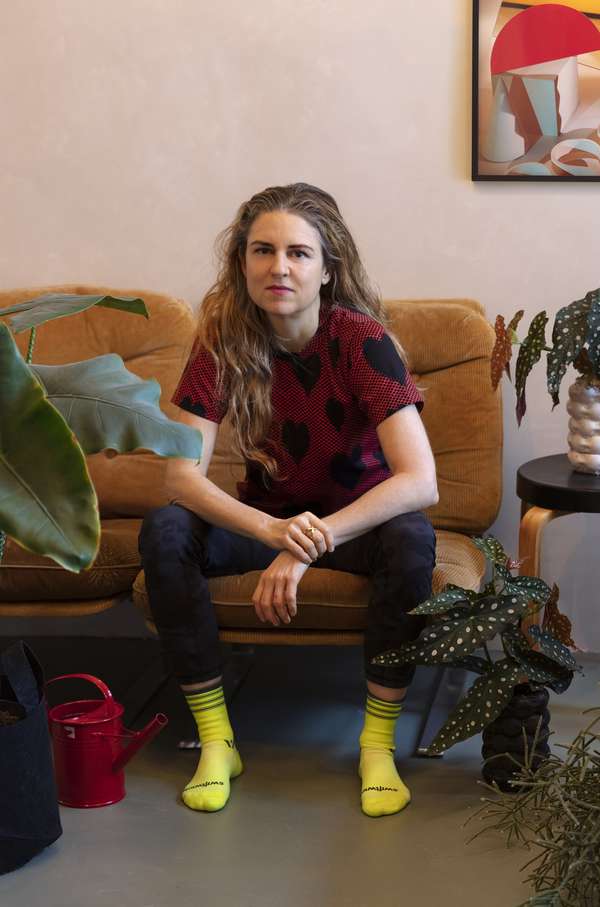
Juliane Rebentisch studied Philosophy and German Studies at the Free University of Berlin, completed her doctorate at the University of Potsdam in 2002 and her habilitation at the Goethe University in Frankfurt am Main in 2010. From 2015-2018 she was President of the German Society for Aesthetics. She has been Professor of Philosophy and Aesthetics at the Offenbach University of Art and Design since October 2011 and a member of the faculty at the Frankfurt Institute for Social Research since 2014. In 2017, she was awarded the Lessing Prize of the City of Hamburg. She will take up her professorship at the HFBK Hamburg in October 2024.























 Graduate Show 2025: Don't stop me now
 Long days, lots to do
 Cine*Ami*es
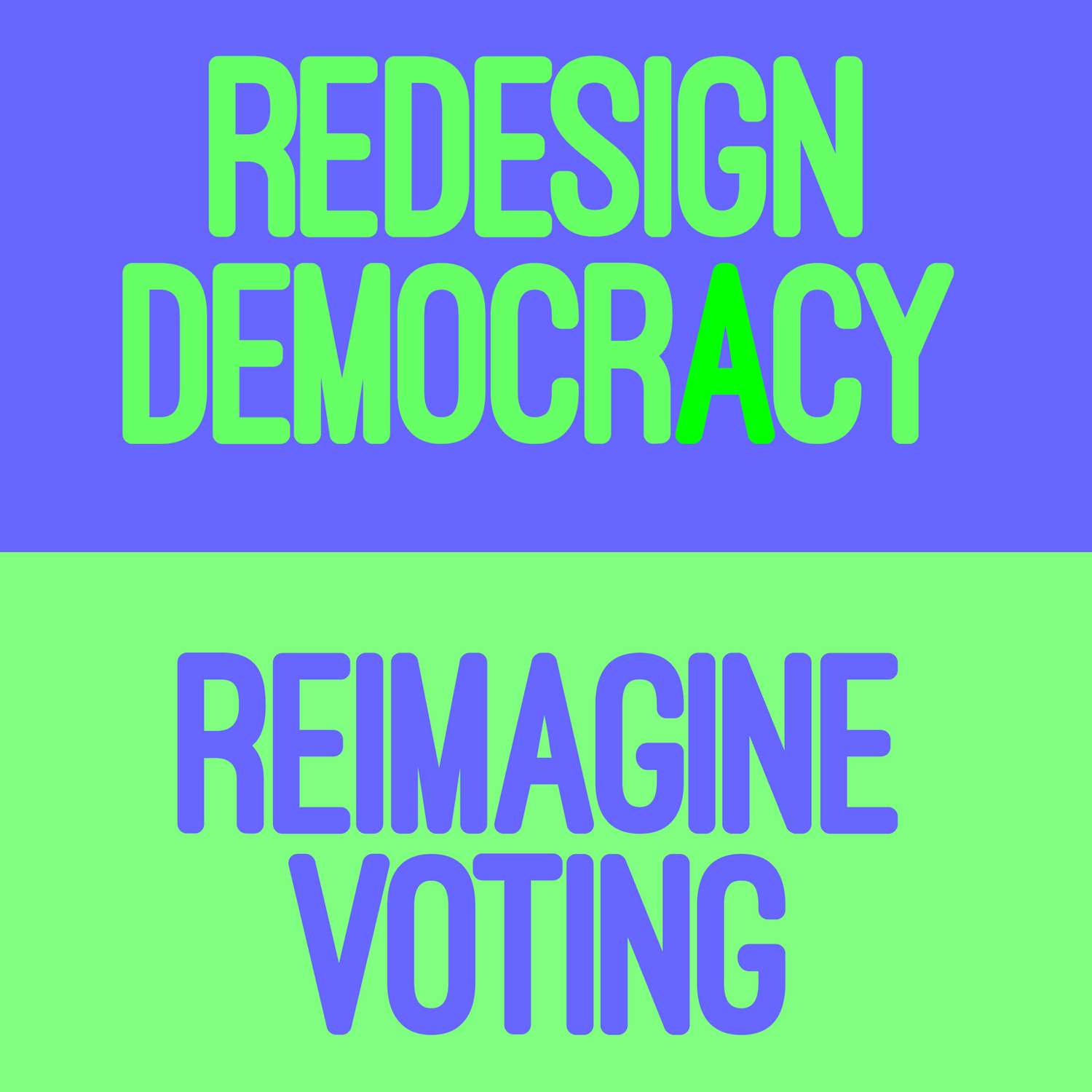
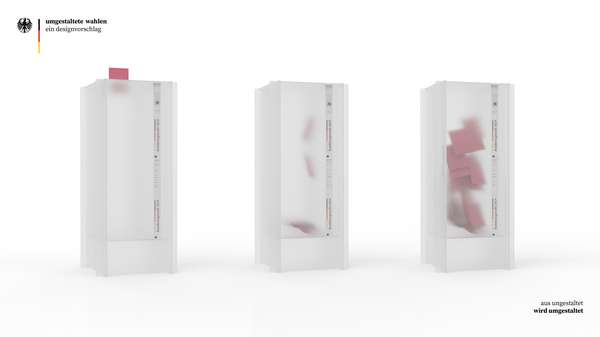
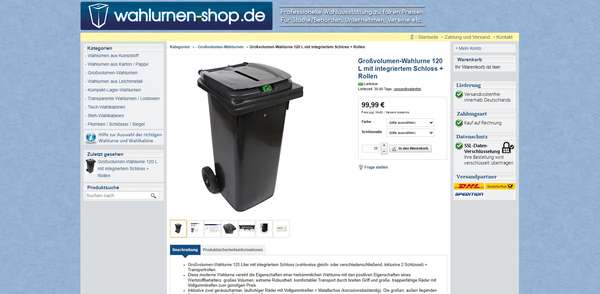
 Redesign Democracy – competition for the ballot box of the democratic future
 Art in public space
 How to apply: study at HFBK Hamburg
 Annual Exhibition 2025 at the HFBK Hamburg
 The Elephant in The Room – Sculpture today
 Hiscox Art Prize 2024
 The New Woman
 Doing a PhD at the HFBK Hamburg
 Graduate Show 2024 - Letting Go
 Finkenwerder Art Prize 2024
 Archives of the Body - The Body in Archiving
 New partnership with the School of Arts at the University of Haifa
 Annual Exhibition 2024 at the HFBK Hamburg
 (Ex)Changes of / in Art
 Extended Libraries
 And Still I Rise
 Let's talk about language
 Graduate Show 2023: Unfinished Business
 Let`s work together
 Annual Exhibition 2023 at HFBK Hamburg
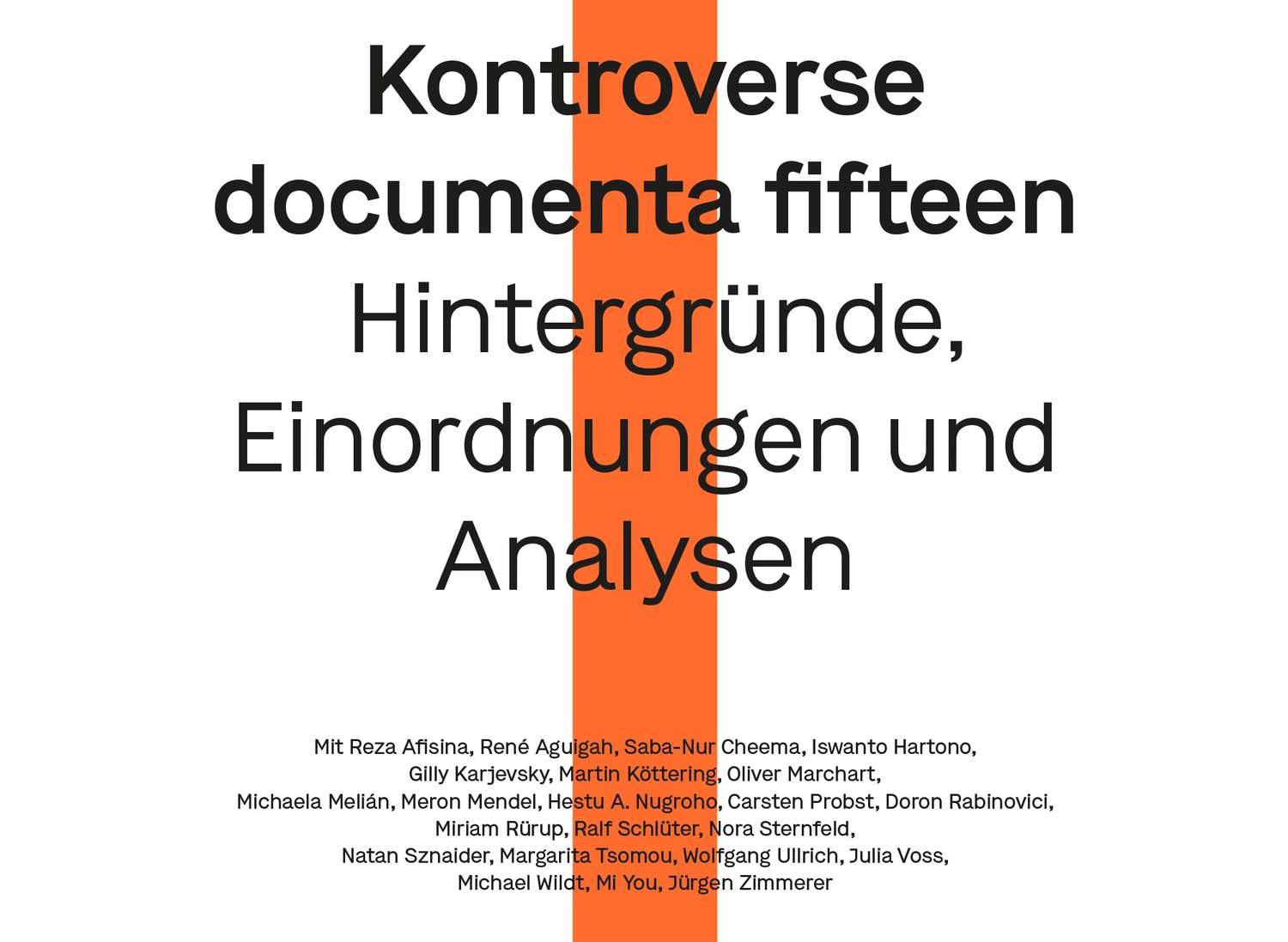
 Symposium: Controversy over documenta fifteen
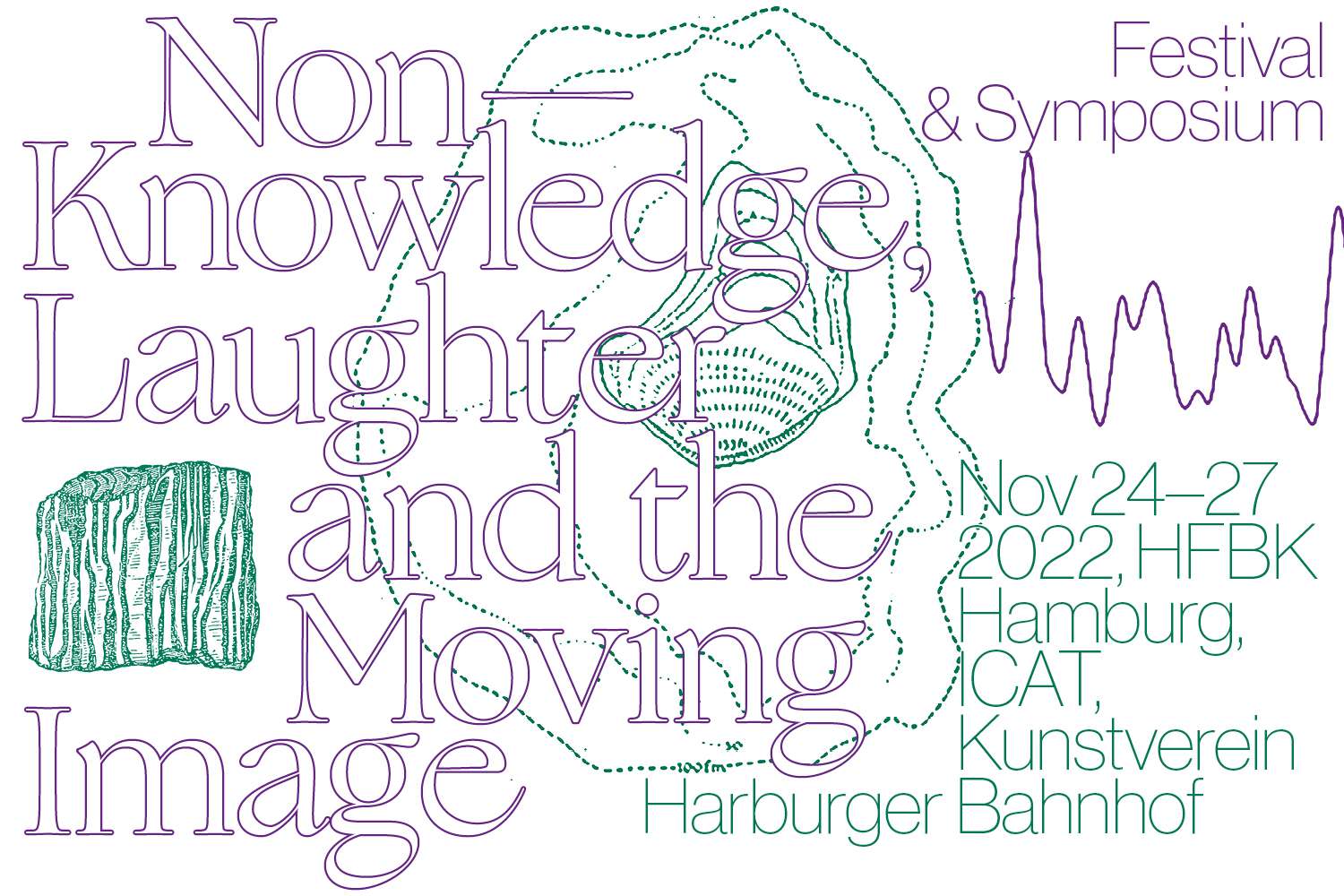
 Festival and Symposium: Non-Knowledge, Laughter and the Moving Image
 Solo exhibition by Konstantin Grcic
 Art and war
 Graduate Show 2022: We’ve Only Just Begun
 June is full of art and theory
 Finkenwerder Art Prize 2022
 Nachhaltigkeit im Kontext von Kunst und Kunsthochschule
 Raum für die Kunst
 Annual Exhibition 2022 at the HFBK
 Conference: Counter-Monuments and Para-Monuments.
 Diversity
 Live und in Farbe: die ASA Open Studios im Juni 2021
 Unlearning: Wartenau Assemblies
 School of No Consequences
 Annual Exhibition 2021 at the HFBK
 Semestereröffnung und Hiscox-Preisverleihung 2020
 Teaching Art Online at the HFBK
 HFBK Graduate Survey
 How political is Social Design?