Symposium: Individuality/Dividuation: An Epistemological Perspective

[esc]
As today's critical epistemologies teach us, the contemporary becoming-world needs to be understood by an expanded »principle of relativity« which constrains us to adopt perspectives of different scales and to observe shifts on the biological, sociological, cultural and artistic level. While microscopic instruments report that non-human organisms contribute to our psycho-physical constitution, on the macroscopic level, we participate as intensely as possible in technological and social media and inevitably intersect with composite-cultural societies. These are some of the reasons why we want to reflect on the question if we can still consider ourselves as individuals, as undivided entities. Wouldn't it make more sense to conceive of ourselves as intersections of different sorts of participation, i.e. as specific dividuations? Dividuation then means an ambivalent concept pointing at our voluntary participation as well as our unvolontary captures and asking for new modes of moderation of ourselves. In our symposium, we want to reflect on these twofold processes from the points of view of cultural studies, media anthropology, human rights and art issues.
Tuesday, 11. July 2017
11.00 h
Welcome
Michaela Ott (Professor of Aesthetic Theories, HFBK Hamburg)
11.15 h
Foucault, Race, and Racism
Keynote lecture by Rey Chow (Professor of Literature, Trinity College of Arts & Sciences, Duke University, Durham)
When it comes to Foucault
and questions of race, the challenge is the ready charge of
Eurocentrism—that is, that Foucault’s perspectives, bound as they are to
European cultures, are negligent of other parts of the world. This
lecture proposes ways of coming to terms with Foucault’s relevance to
race studies without following the geopolitically overdetermined
direction of this familiar line of criticism. Instead, an attempt will
be made to address Foucault’s important question »What in fact is
racism?«
Moderation: Ulrike Bergermann (Professor of Media Science, Hochschule für bildende Künste Braunschweig)
12.30 h
I Is Another. The End of the Individual
Lecture by Martin Burckhardt (Author and Cultural Theorist, Berlin)
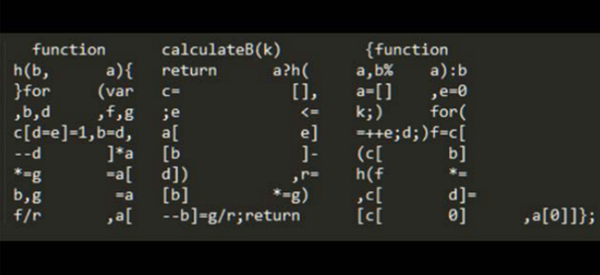
The project of
individuality that goes back to central perspective, has come – together
with the dominating code of Representation - to an end. Based on a
formula that the creator of binary logic, George Boole, has emitted in
the midst of 19th century, Martin Burckhardt analyzes the metempsychosis
the contemporary self-conception passes through.
Moderation: Michaela Ott
13.15 h
Break
14.30 h
To name and to claim: human rights beyond the individual
Lecture
by Thomas Keenan (Director of the Human Rights Project, Associate
Professor of Comparative Literature, Bard College, New York)
Human rights are better
thought of as claims we make than as things we have. Any critical
account of rights therefore must begin with the act of claiming, which
is to say, of naming and comparison. When we declare our rights, we name
not just ourselves but who we are together, and what we have in common.
Like you, I am a human being; or, Aren't we human? Obviously, this does
not go without saying, and so evidence always needs to be presented --
to others, for their counter-signature. This allows for a different
approach to the contested notions of »individualism« and of
»universality.« When I claim a right, I cannot claim it only for myself —
human rights are always shared with others too, which is also to say,
always divided and without guarantee.
Moderation: Peter Müller (Scientific Assistant at the postgraduate study program Aesthetics oft he Virtual, HFBK Hamburg)
15.30 h
SFAI – from inside out. Art, education, individual experience, collective adaptation
Lecture by Gordon Knox (Social anthropologist, President, San Francisco Art Institute)
This conversation takes a
concrete and historically specific sociological object and disassembles
its core values, purposes and perceptions as they relate to the tension
between concepts of individuality and the reality of our species-wide
reliance on the collective. The object is a 146-year-old art school in
California. As a sociological object it serves to deliver the
generational transmission of knowledge, the empowerment of individual
ways of knowing, and the collective impact of communicating complex
understandings. Participants in such institutions must recognize that we
are suspended in, and generators of, the webs of meaning that define us
individually and allow us collectively to adapt to a changing planet.
We are our future, and art schools are central to that.
Moderation: Michaela Melián (Professor of Mixed Media / Akustik, HFBK Hamburg)
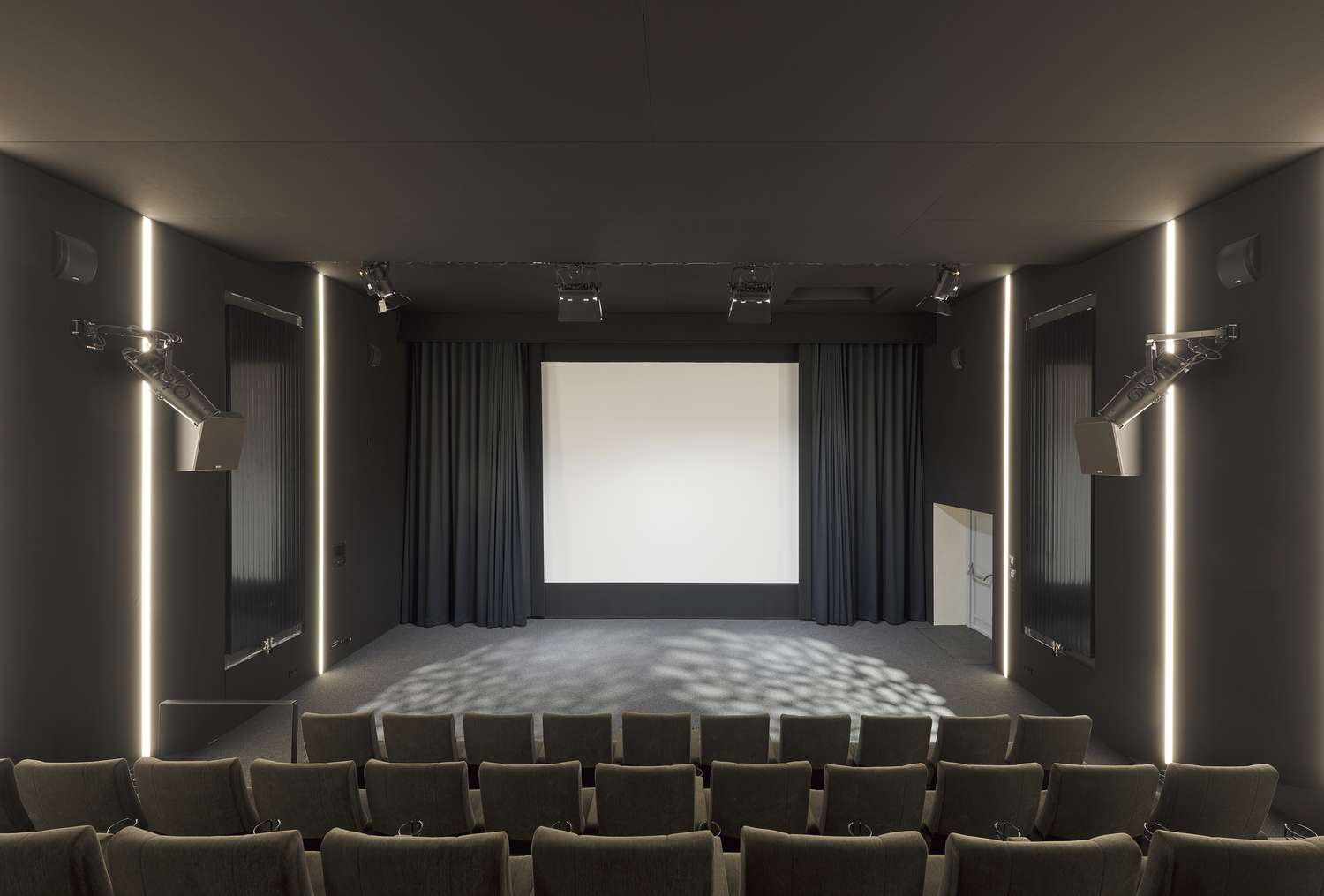
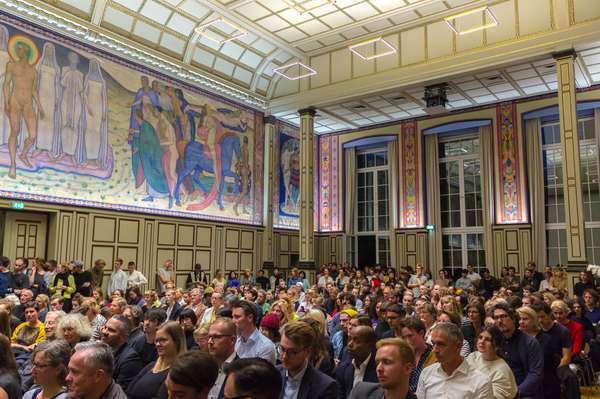
Venue: HFBK Hamburg, Lerchenfeld 2, Aula
Idea + Concept: Michaela Ott
Presentations in English









 Graduate Show 2025: Don't stop me now
 Long days, lots to do
 Cine*Ami*es
 Redesign Democracy – competition for the ballot box of the democratic future
 Art in public space
 How to apply: study at HFBK Hamburg
 Annual Exhibition 2025 at the HFBK Hamburg
 The Elephant in The Room – Sculpture today
 Hiscox Art Prize 2024
 The New Woman
 Doing a PhD at the HFBK Hamburg
 Graduate Show 2024 - Letting Go
 Finkenwerder Art Prize 2024
 Archives of the Body - The Body in Archiving
 New partnership with the School of Arts at the University of Haifa
 Annual Exhibition 2024 at the HFBK Hamburg
 (Ex)Changes of / in Art
 Extended Libraries
 And Still I Rise
 Let's talk about language
 Graduate Show 2023: Unfinished Business
 Let`s work together
 Annual Exhibition 2023 at HFBK Hamburg
 Symposium: Controversy over documenta fifteen
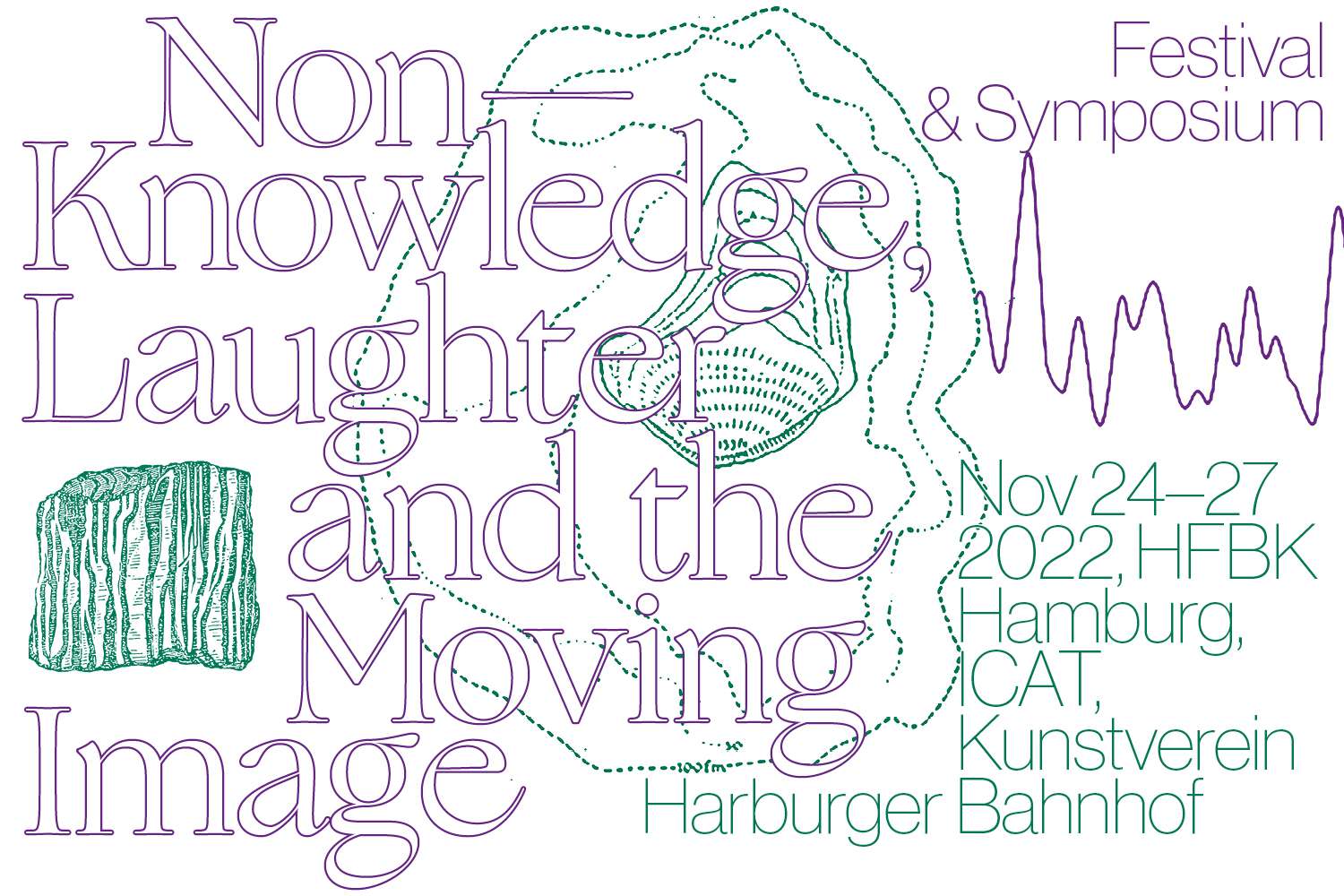
 Festival and Symposium: Non-Knowledge, Laughter and the Moving Image
 Solo exhibition by Konstantin Grcic
 Art and war
 Graduate Show 2022: We’ve Only Just Begun
 June is full of art and theory
 Finkenwerder Art Prize 2022
 Nachhaltigkeit im Kontext von Kunst und Kunsthochschule
 Raum für die Kunst
 Annual Exhibition 2022 at the HFBK
 Conference: Counter-Monuments and Para-Monuments.
 Diversity
 Live und in Farbe: die ASA Open Studios im Juni 2021
 Unlearning: Wartenau Assemblies
 School of No Consequences
 Annual Exhibition 2021 at the HFBK
 Semestereröffnung und Hiscox-Preisverleihung 2020
 Teaching Art Online at the HFBK
 HFBK Graduate Survey
 How political is Social Design?