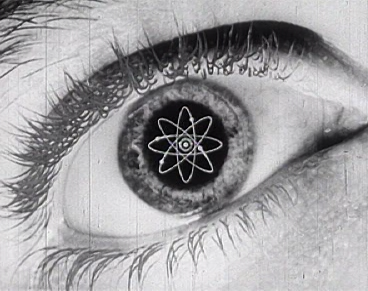
Archives of the Body - The Body in Archiving
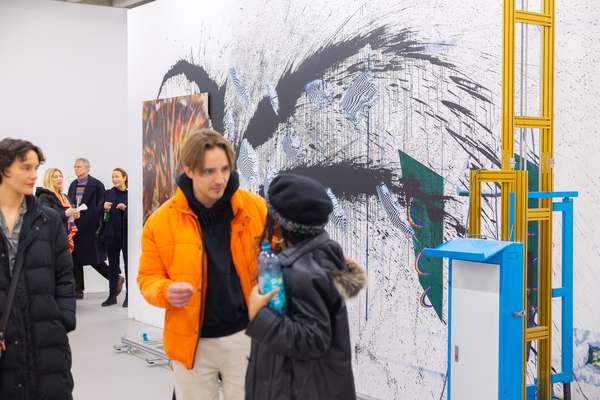
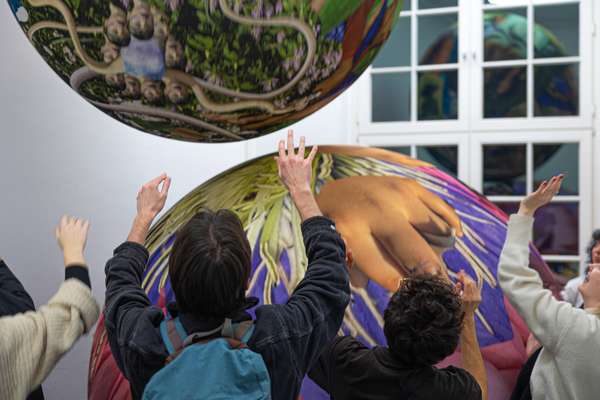
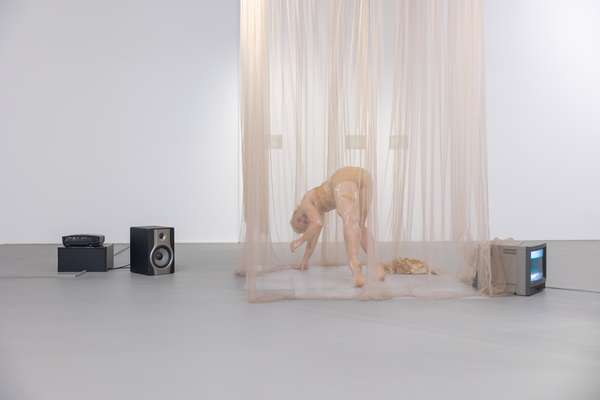
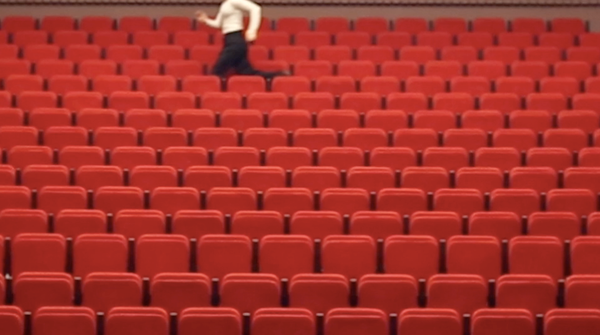
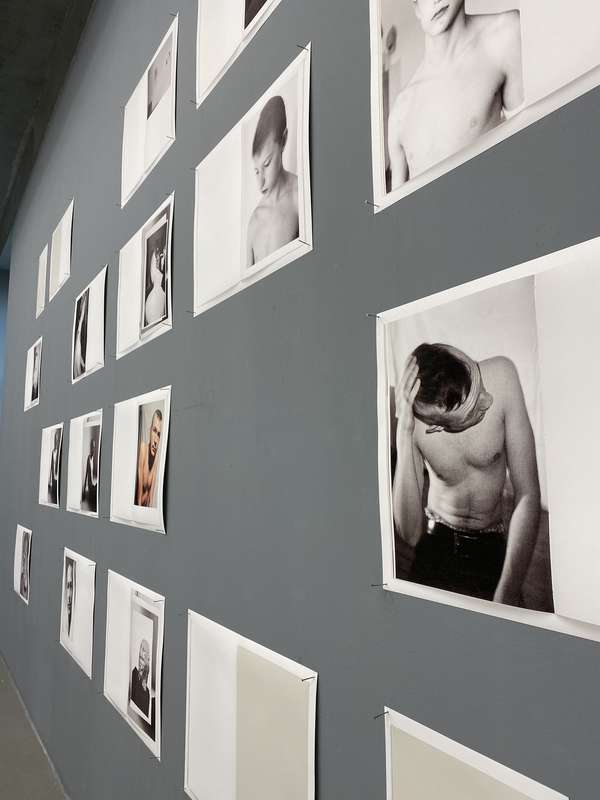
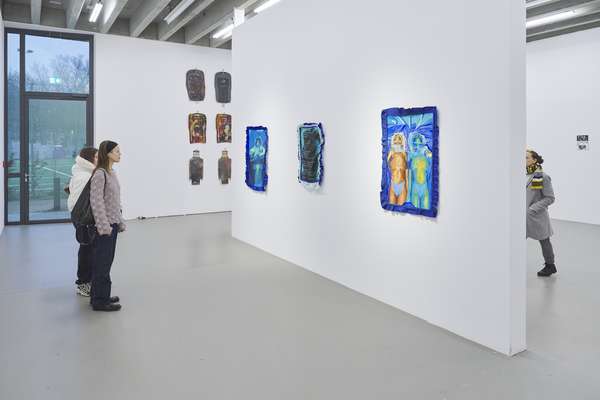
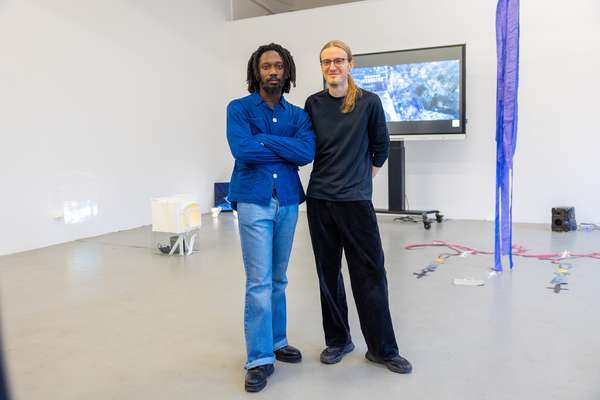
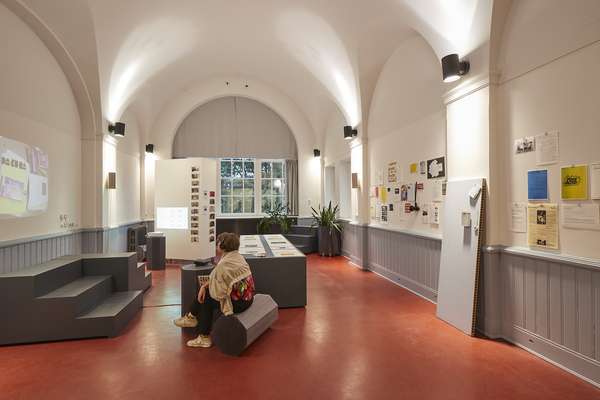
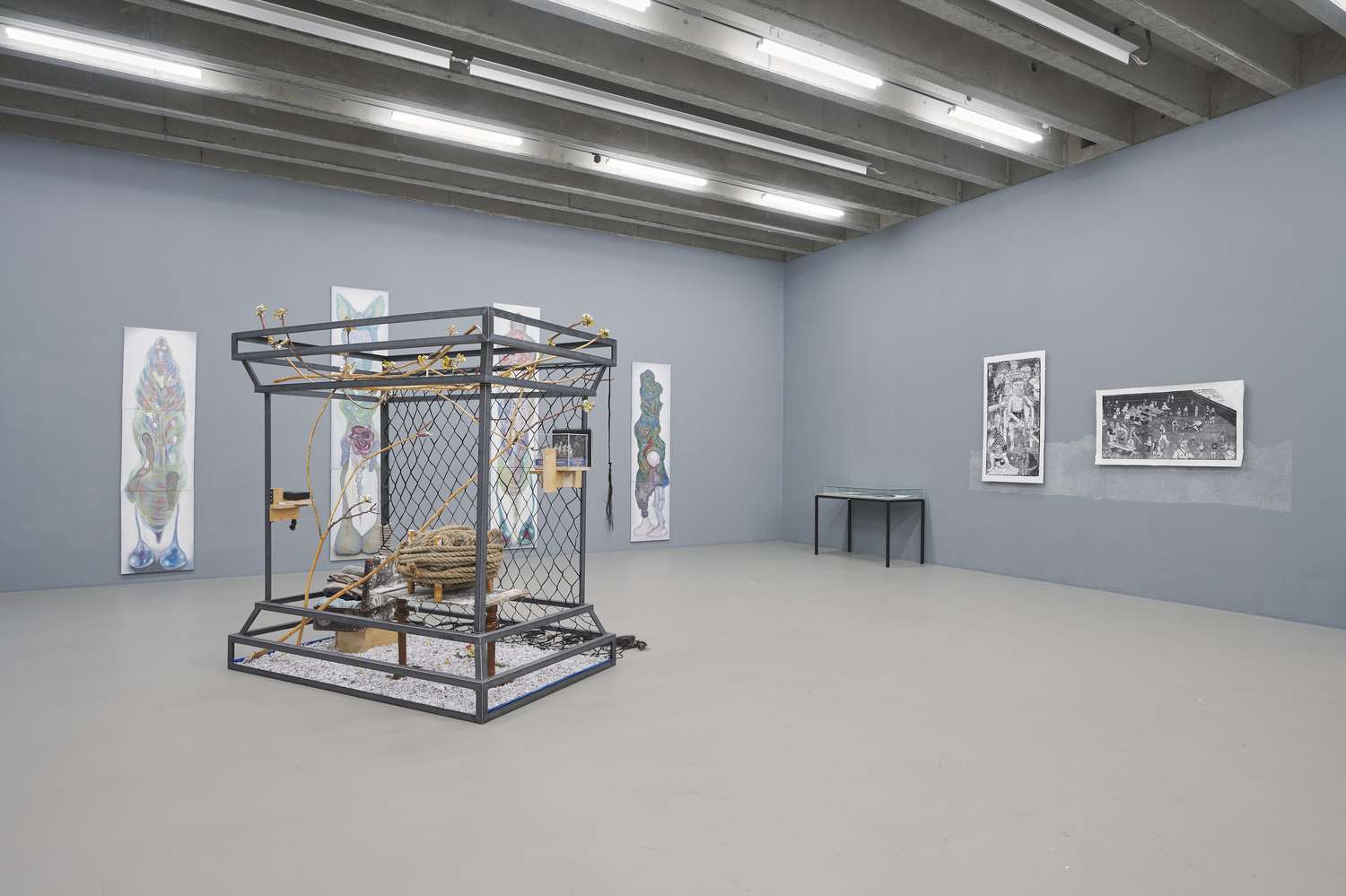
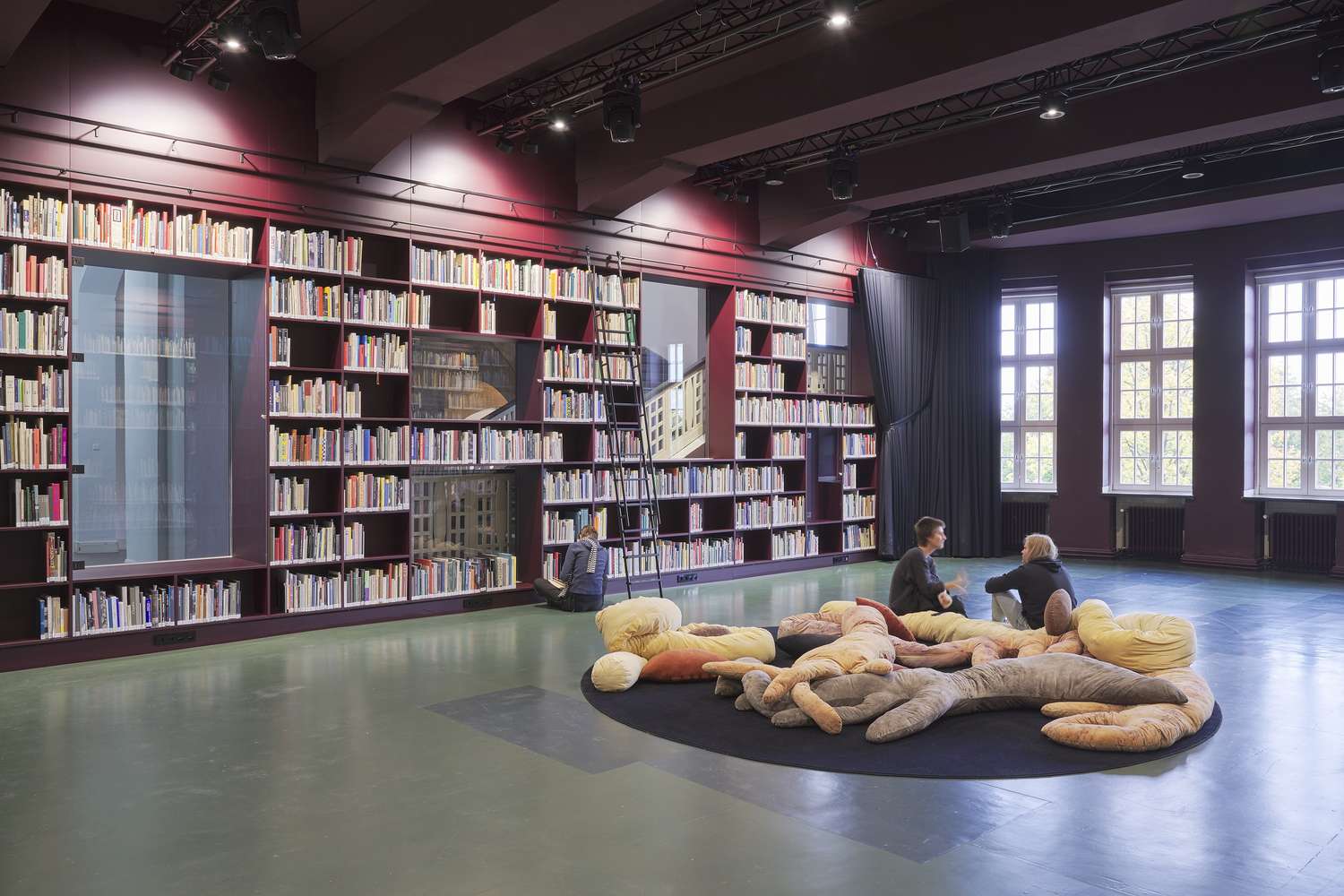
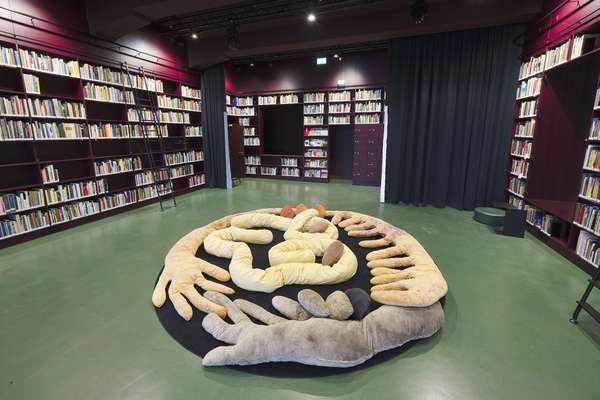
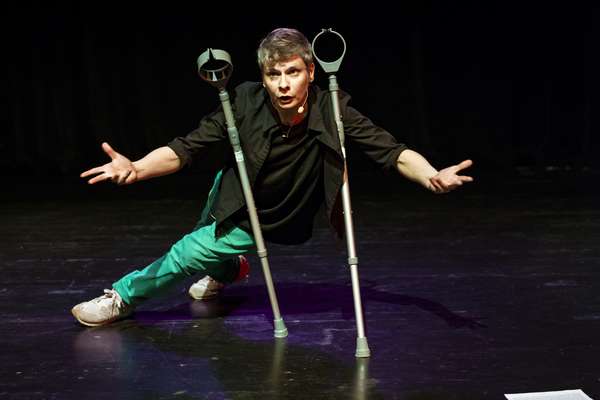
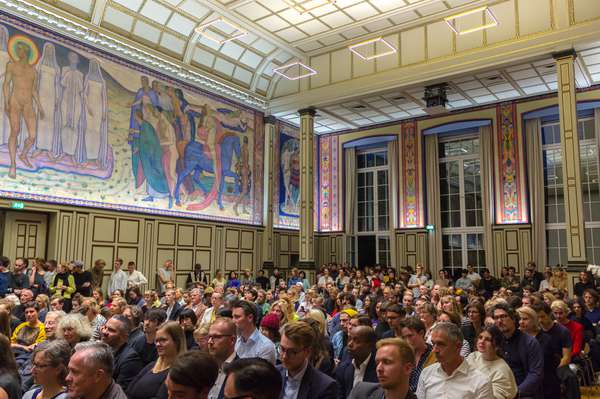
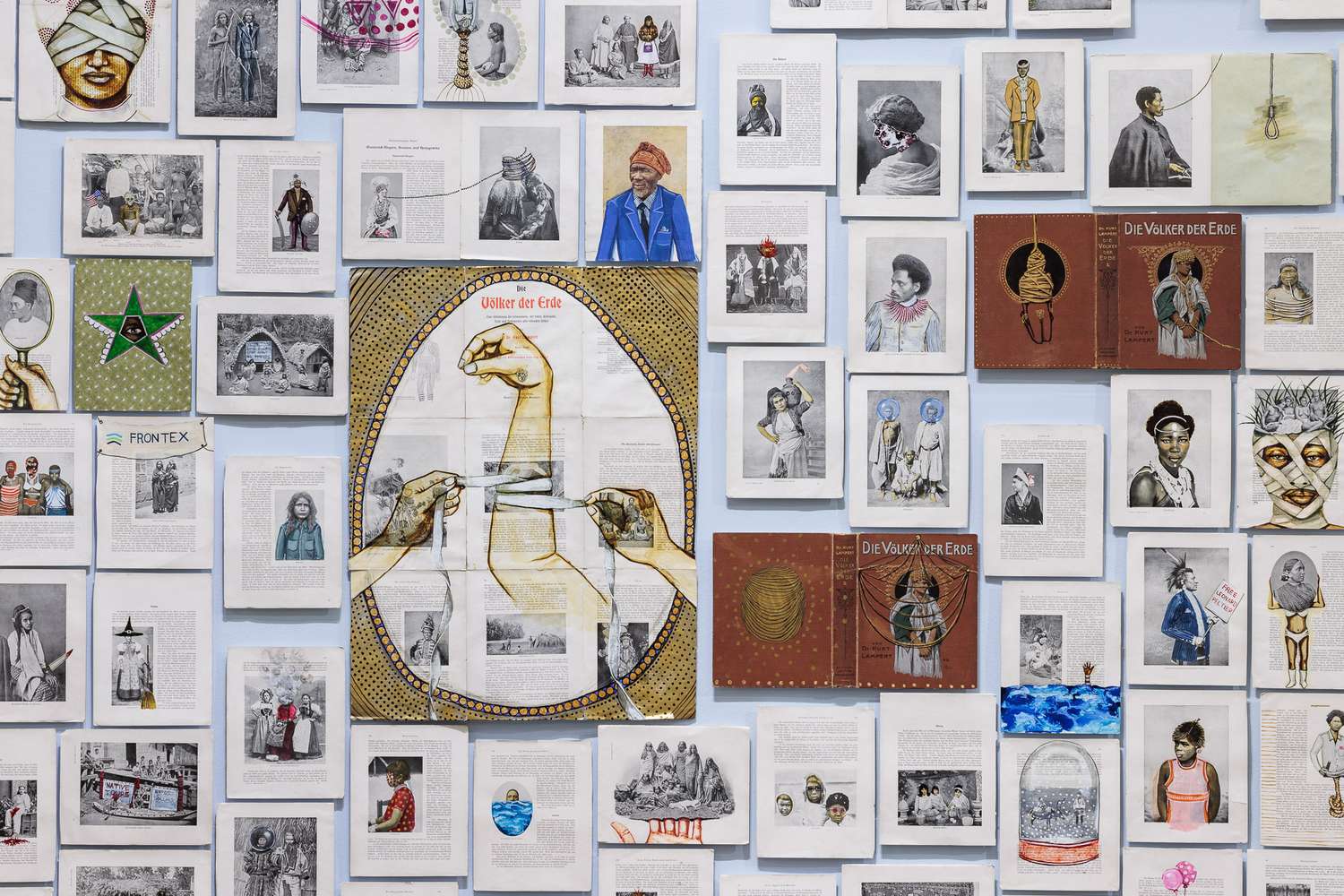
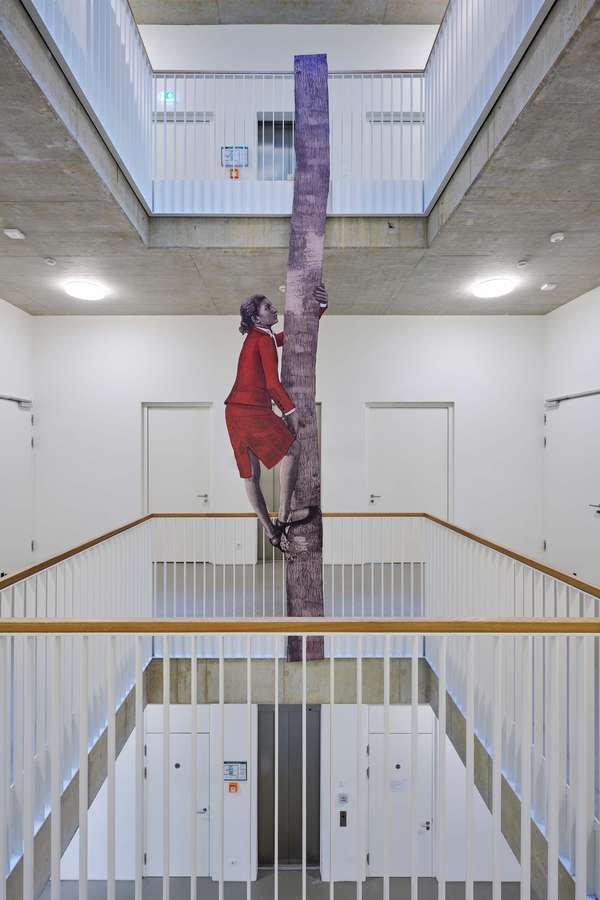
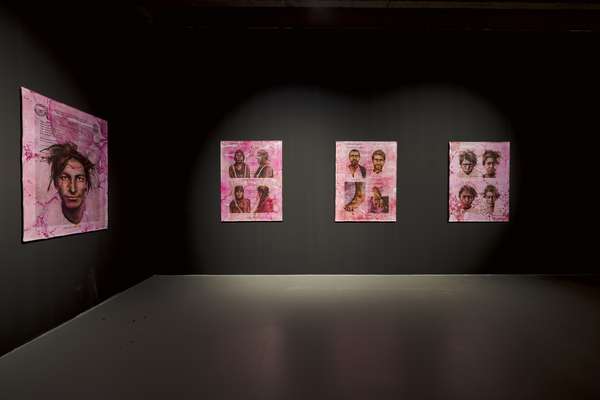
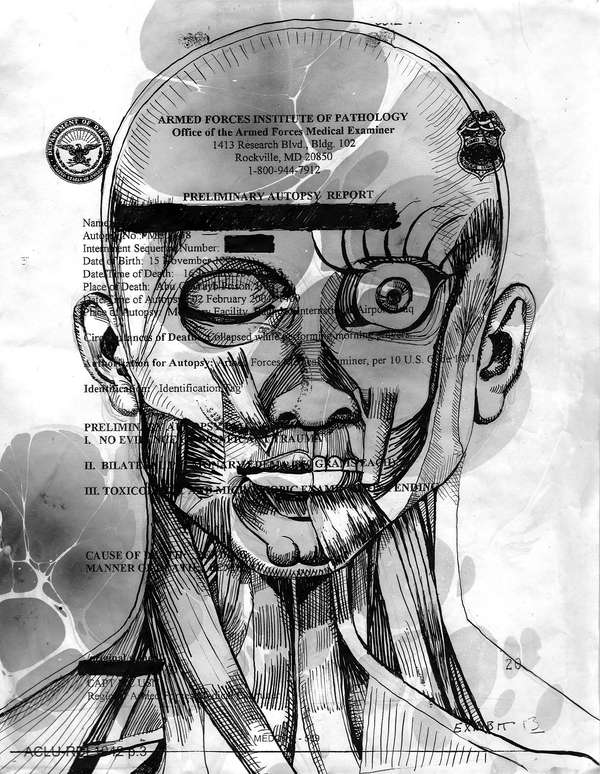
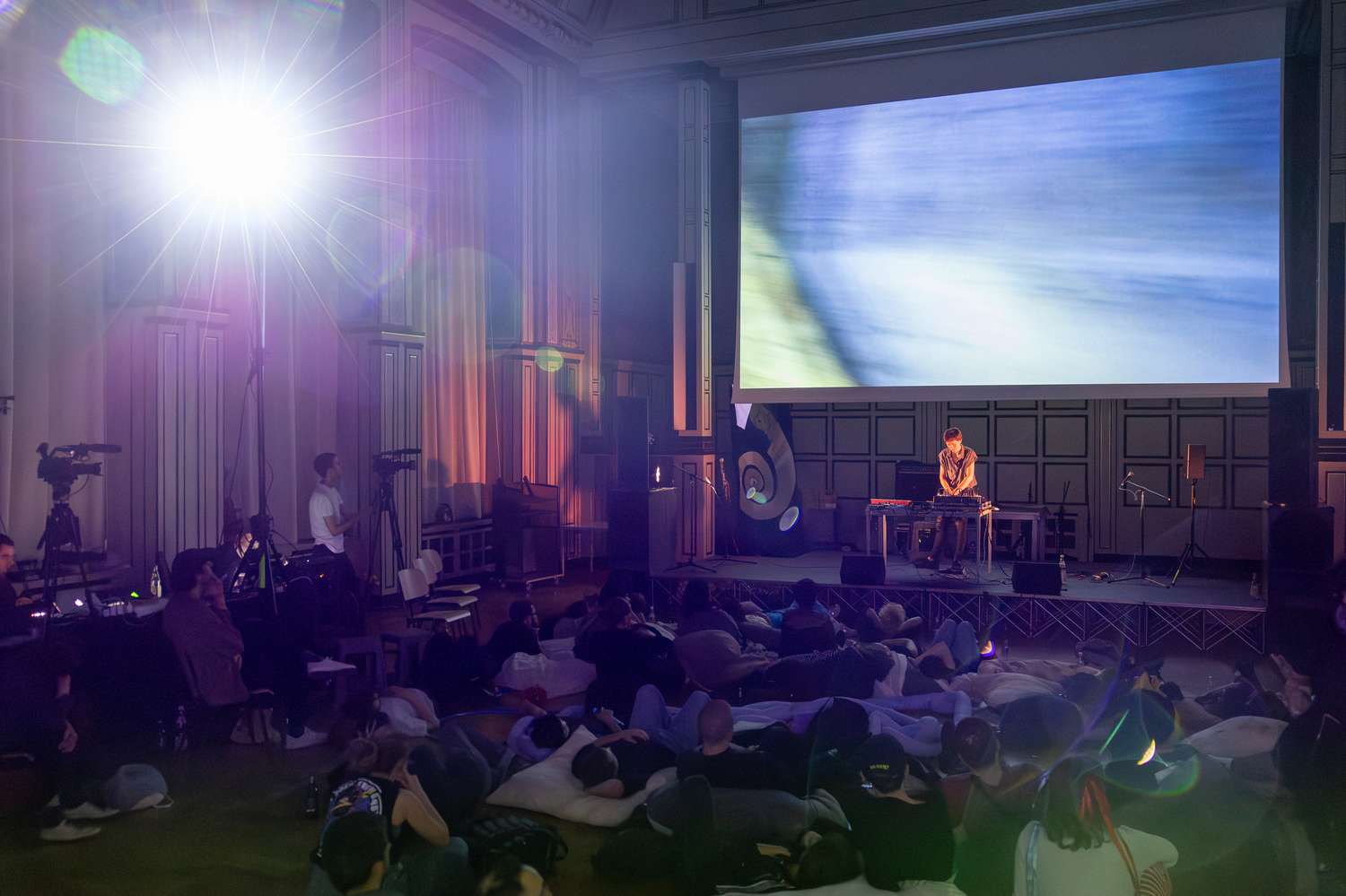
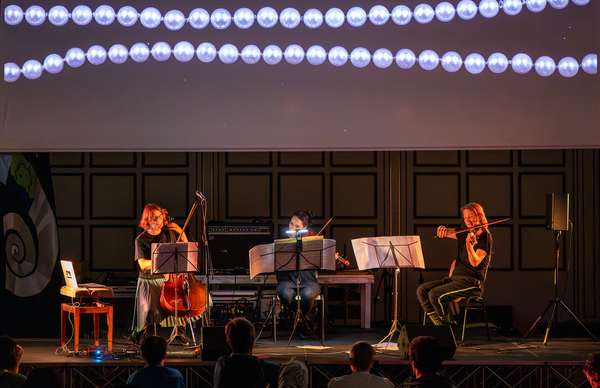
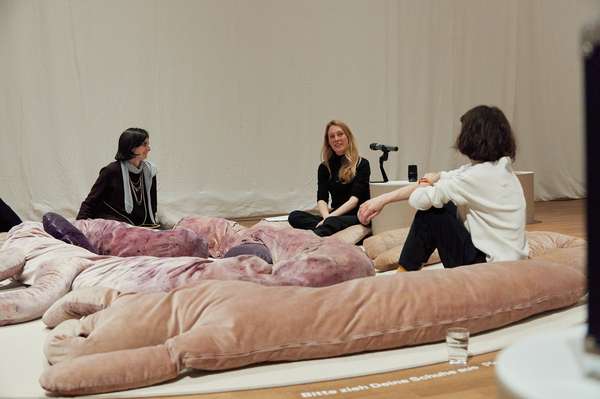
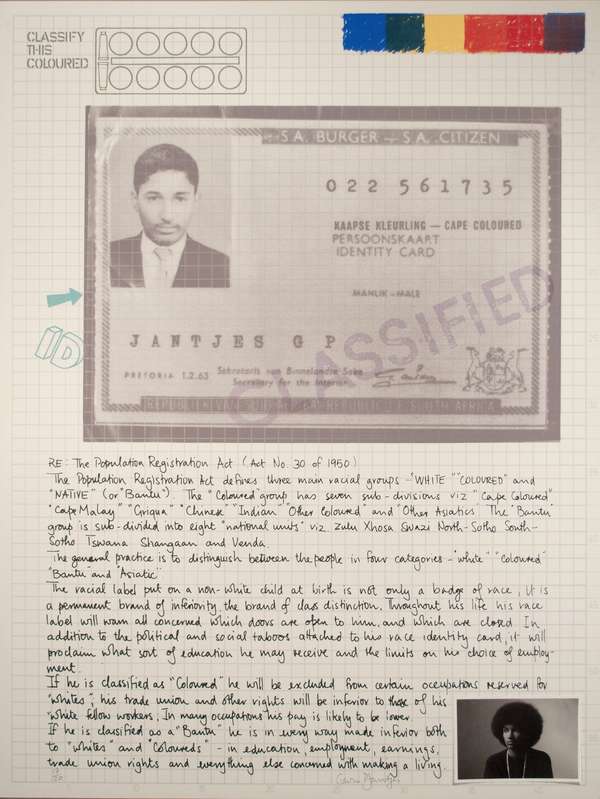
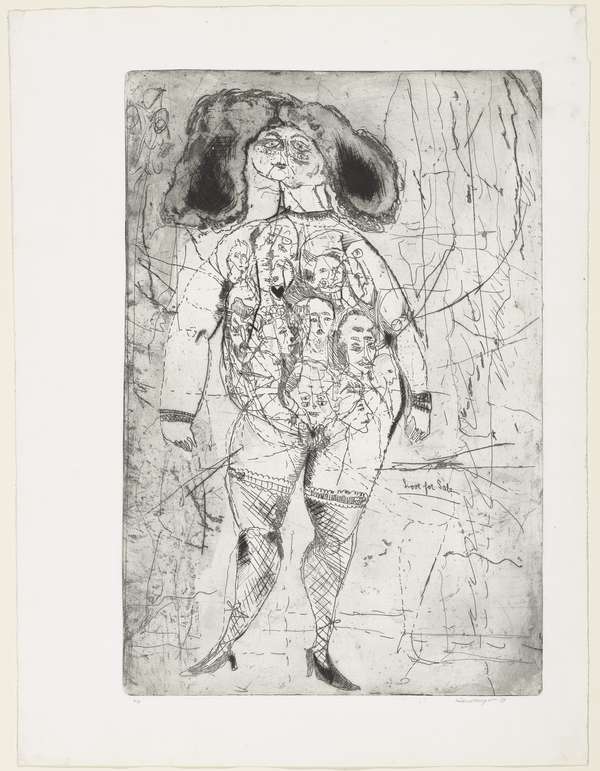
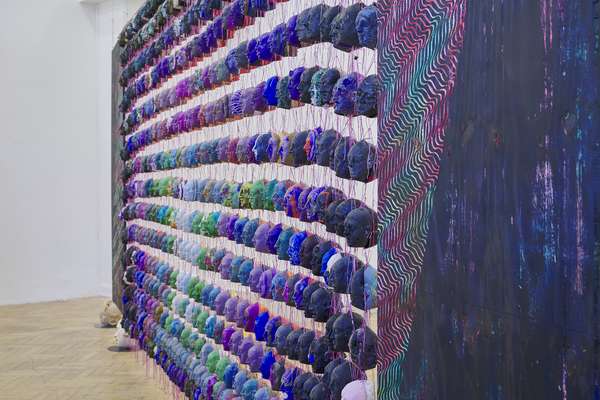
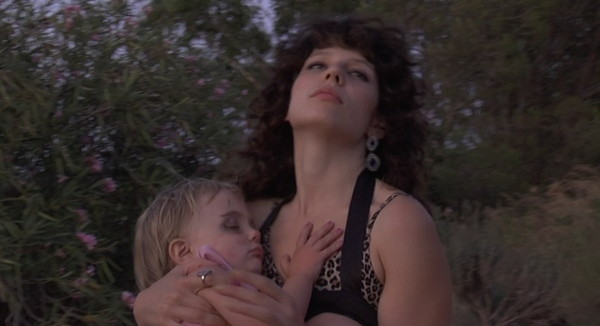
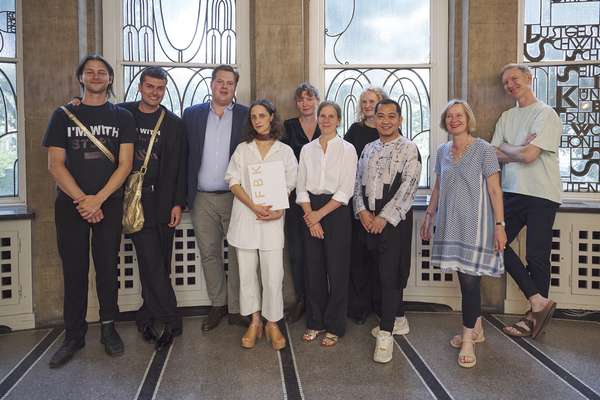
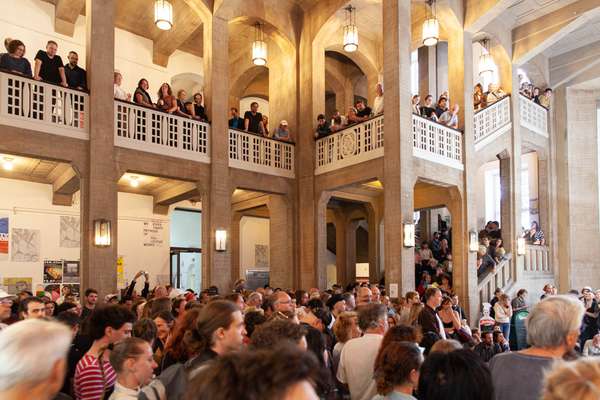
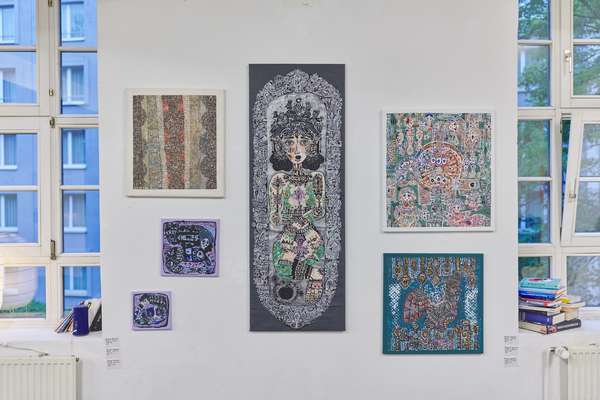
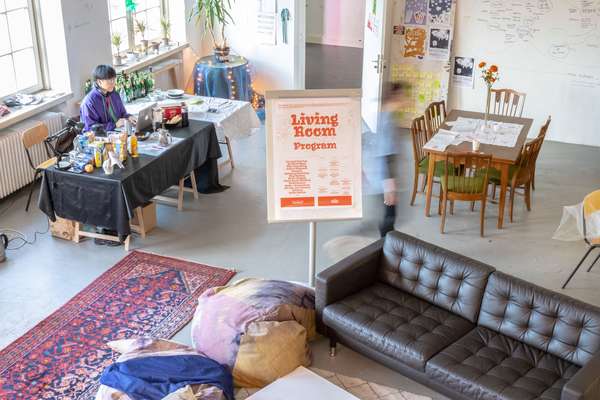
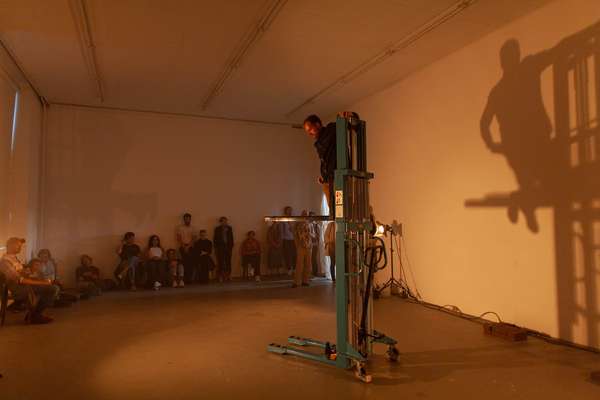
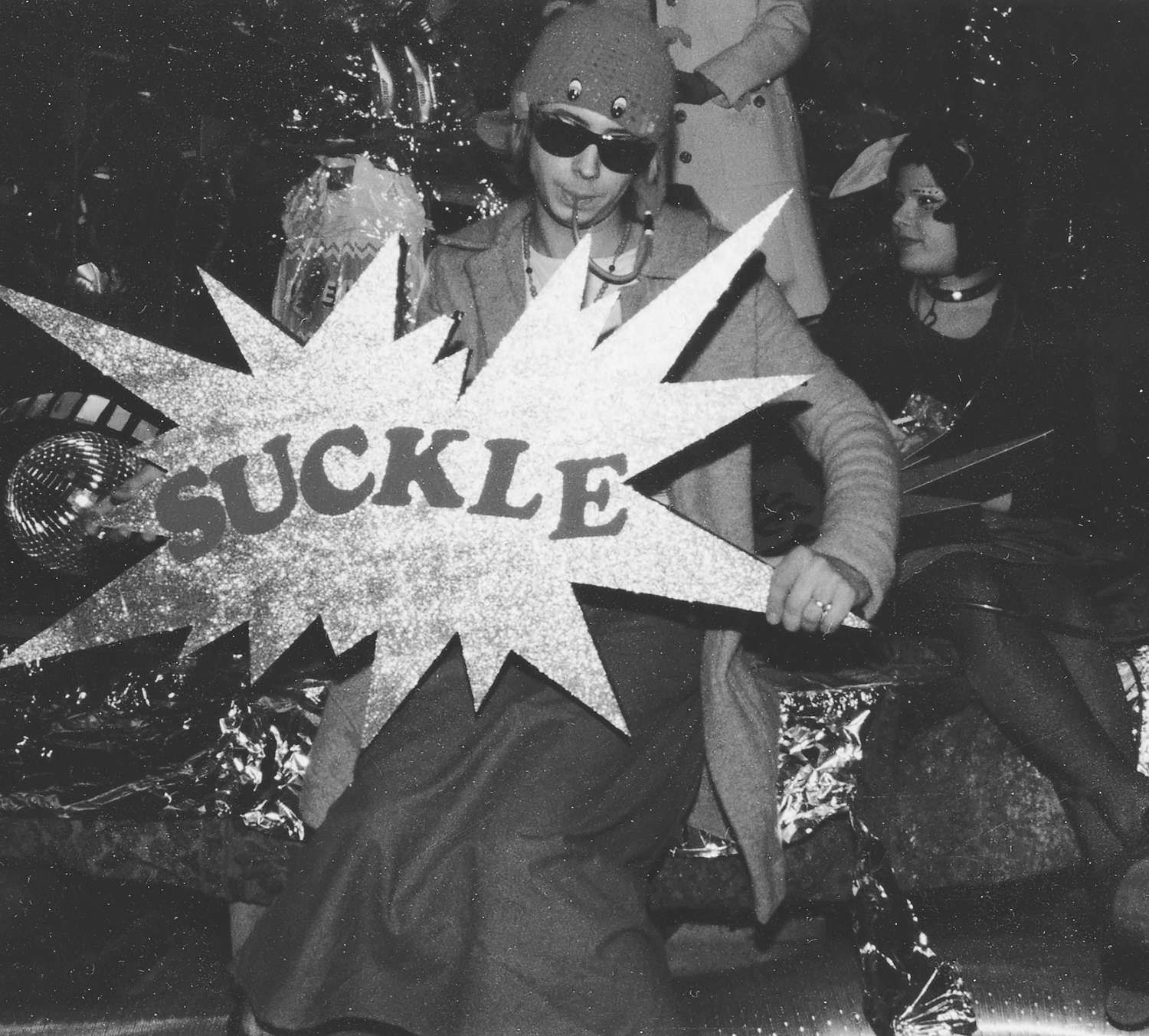
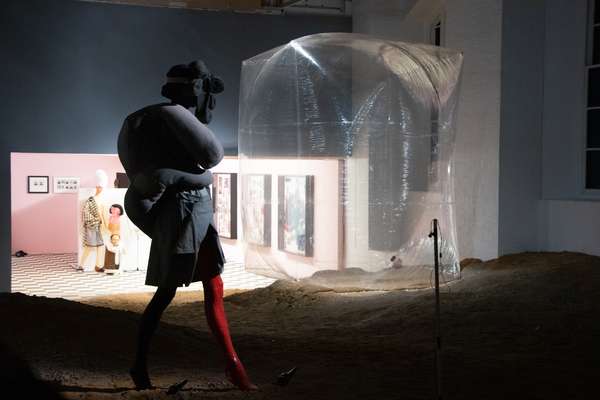
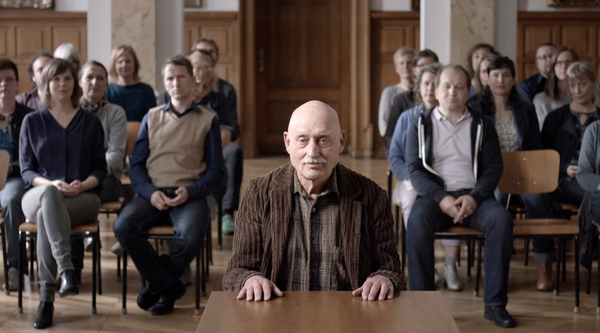
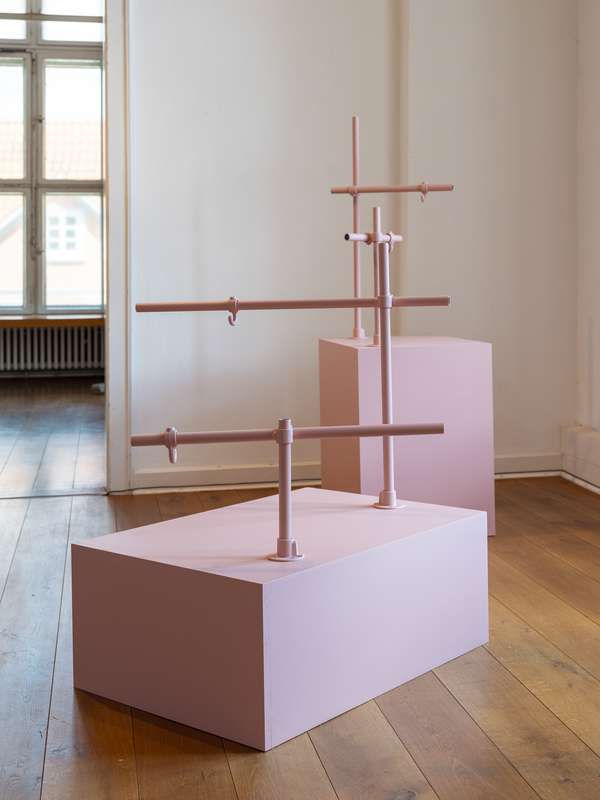
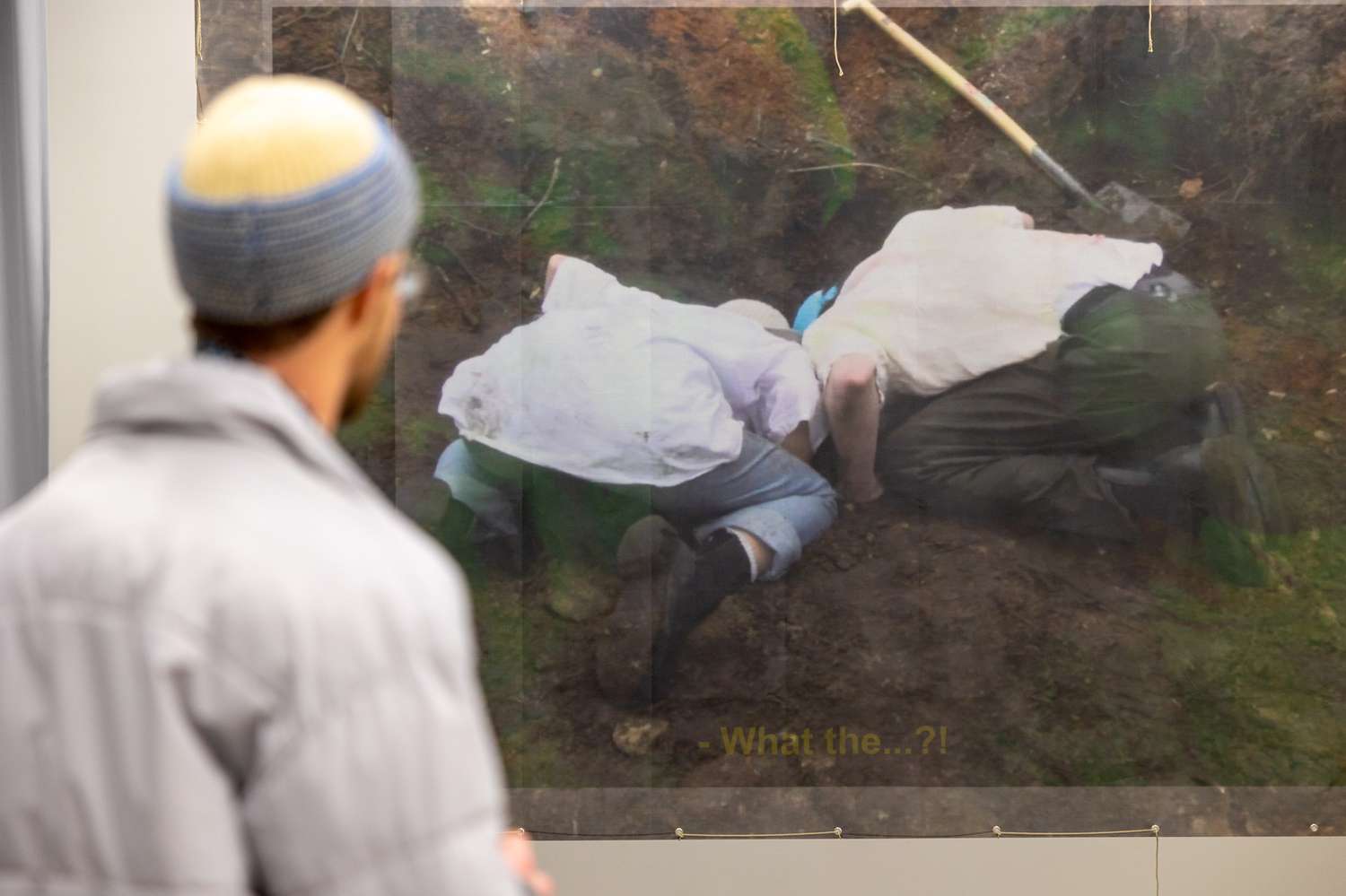
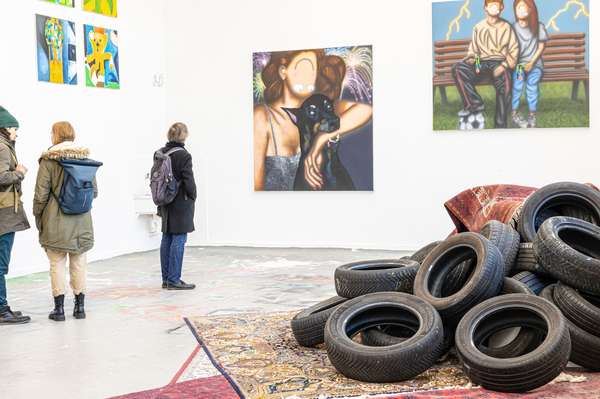
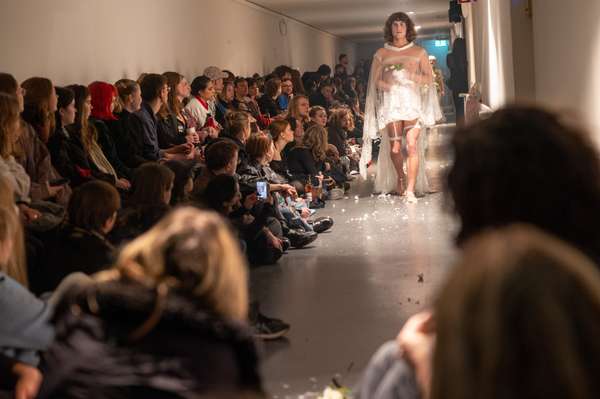
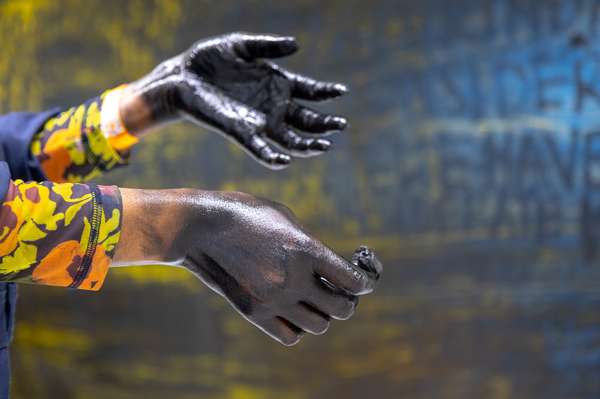
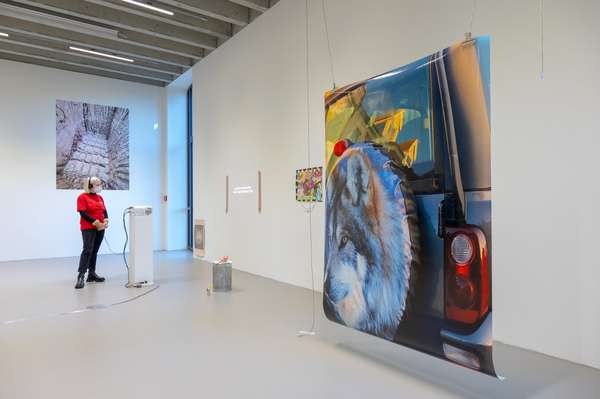
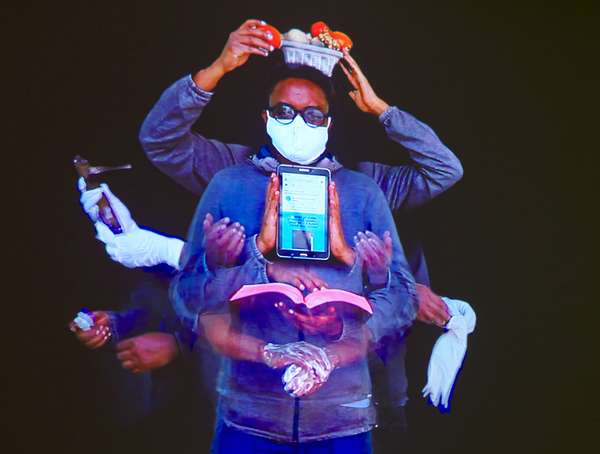
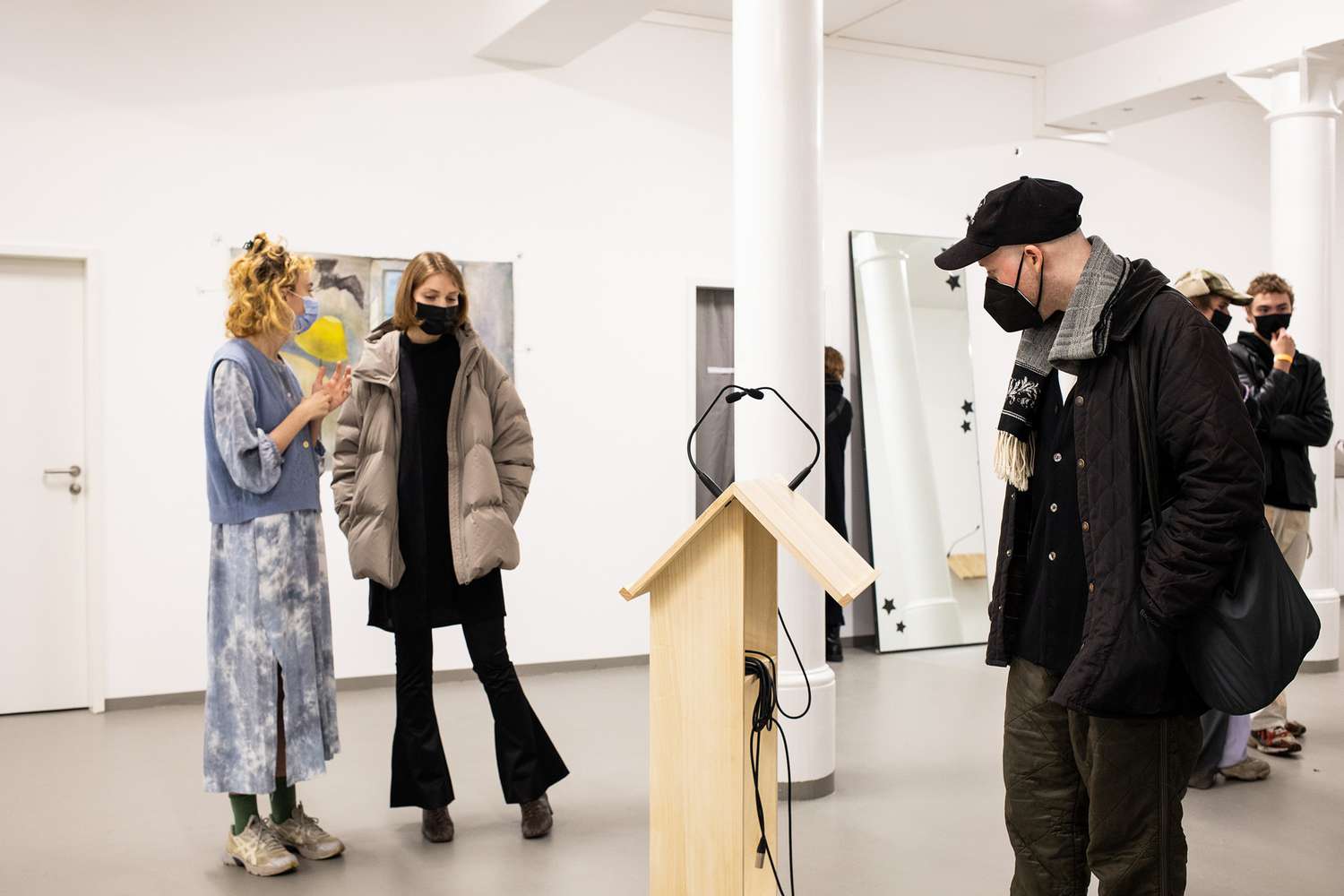
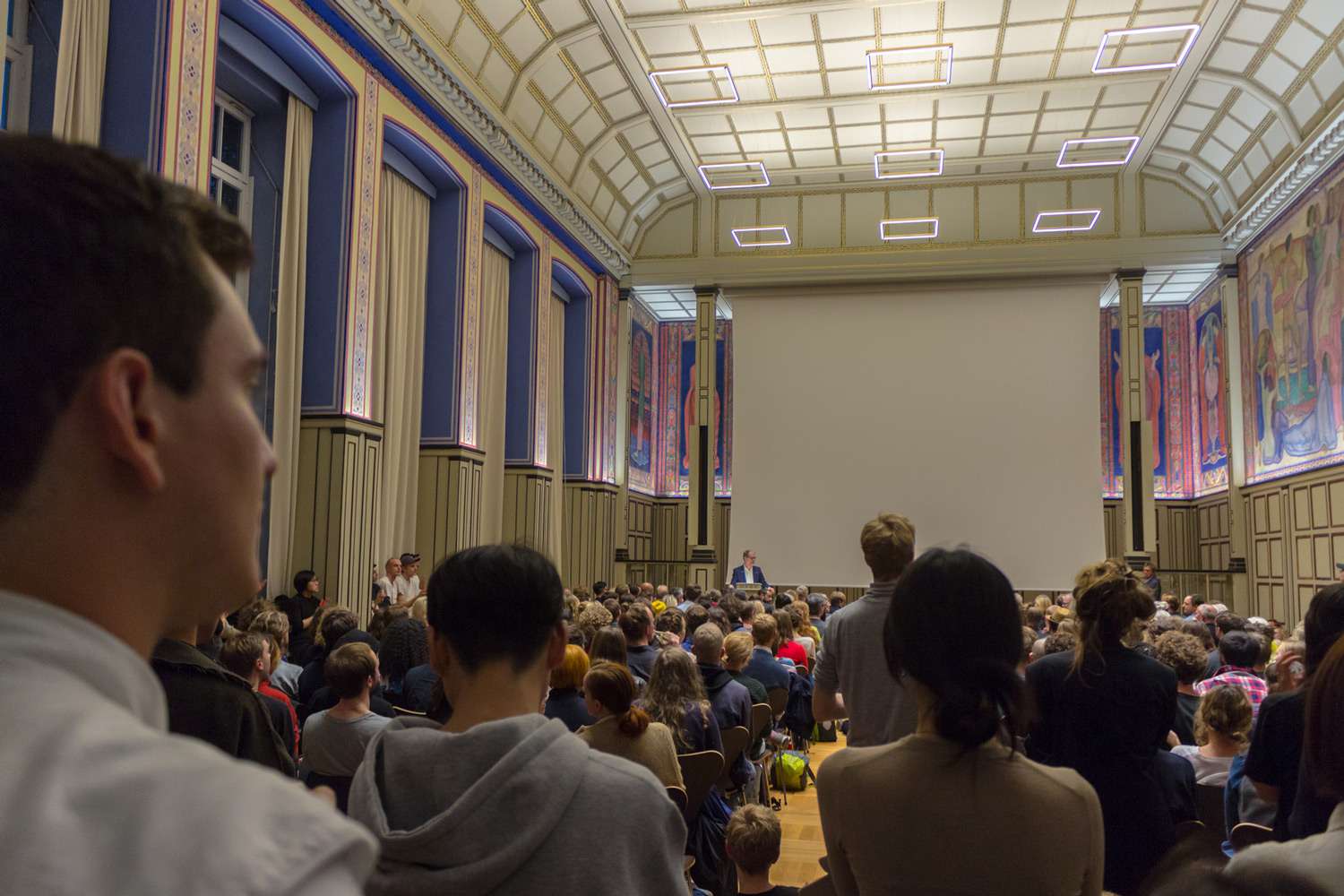
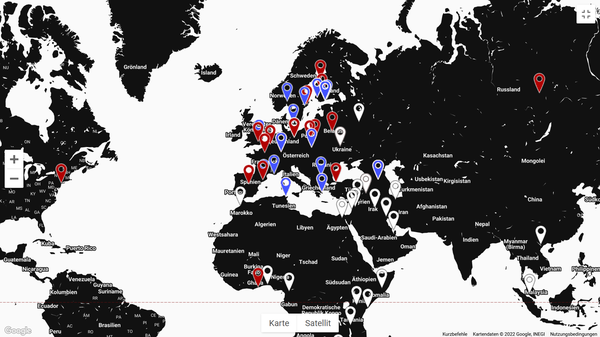
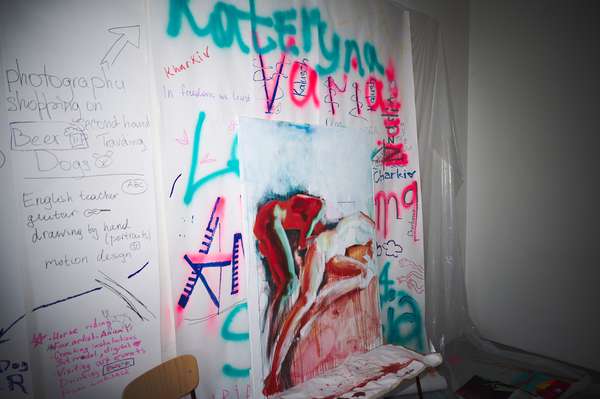
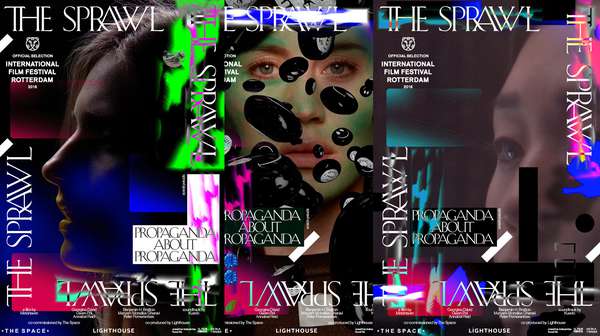
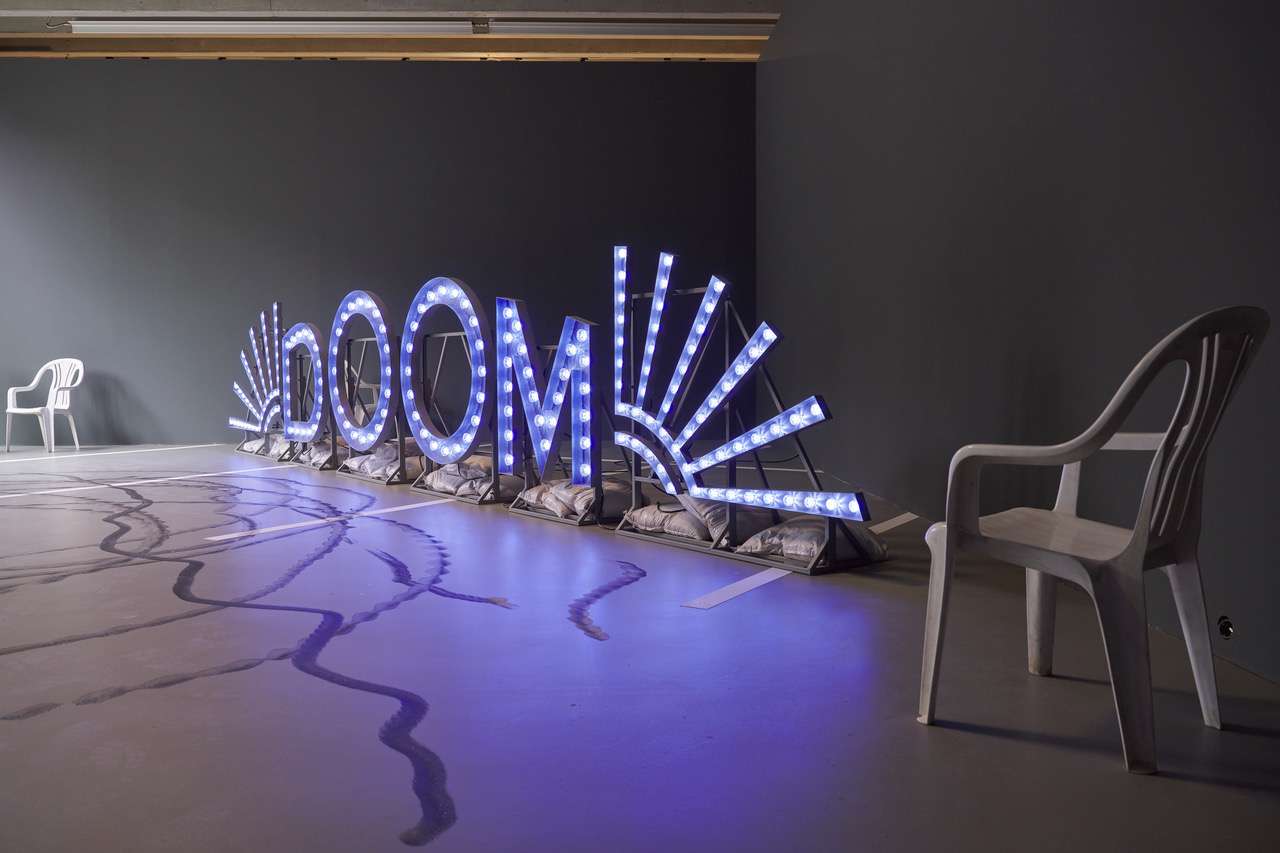
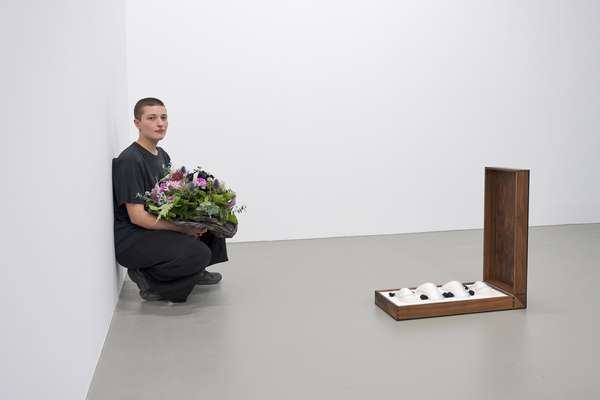
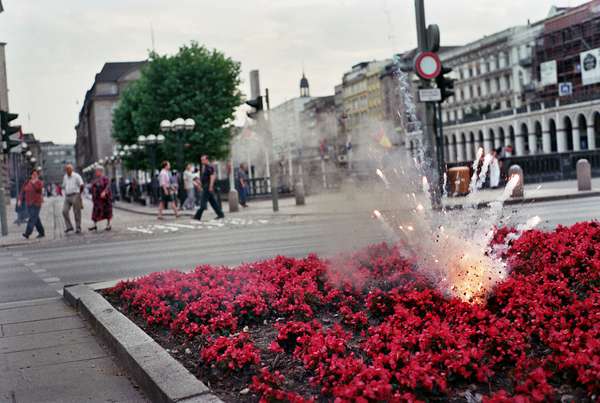
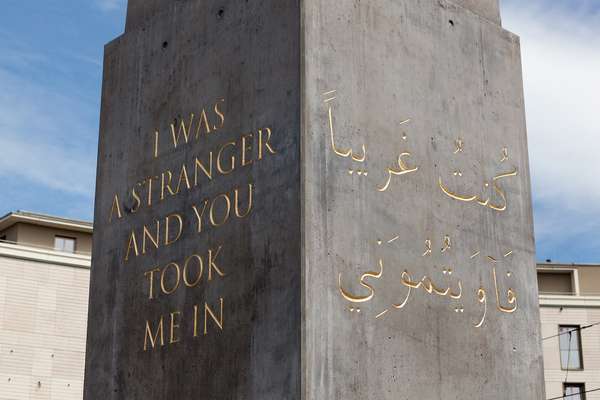
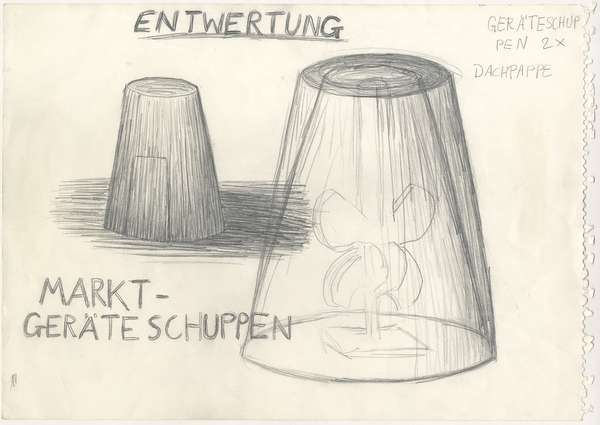
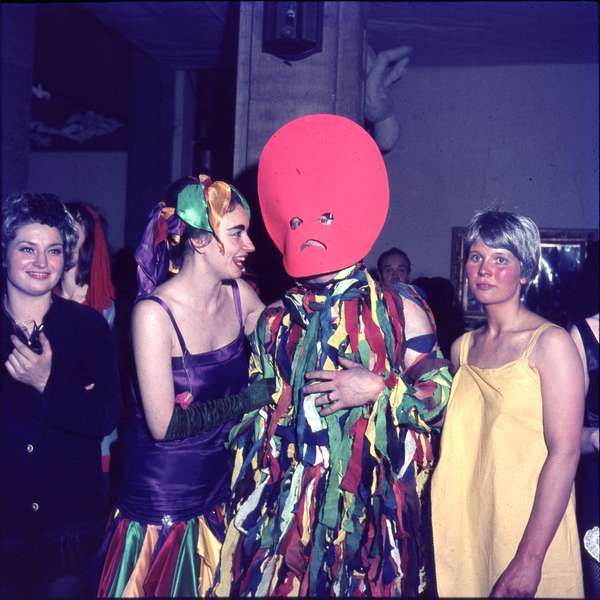
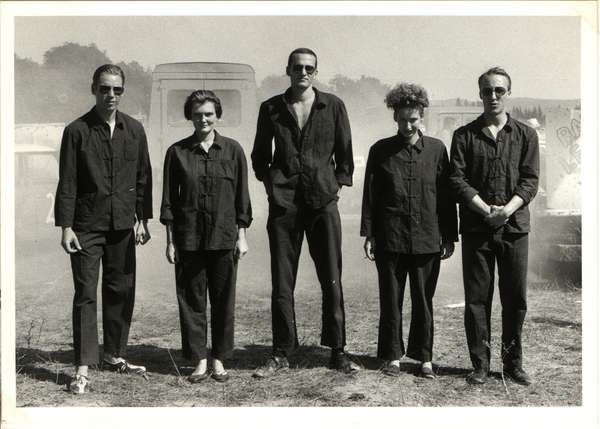
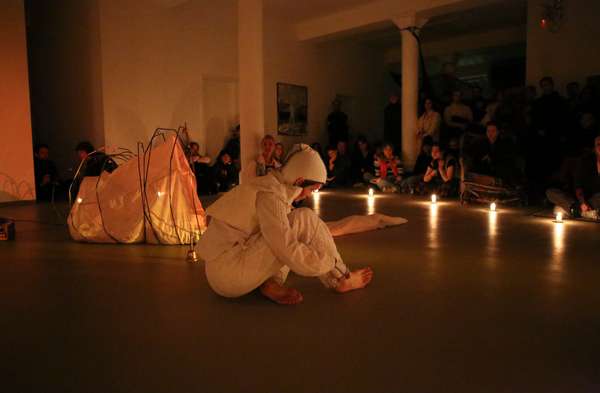
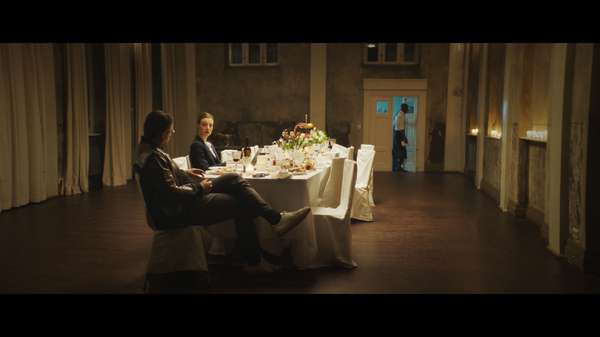
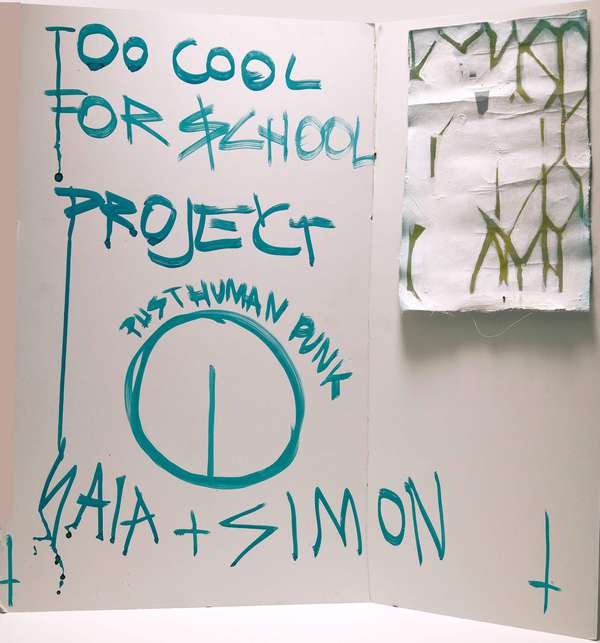
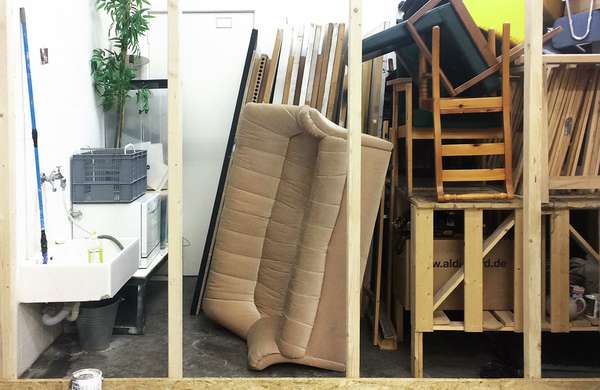
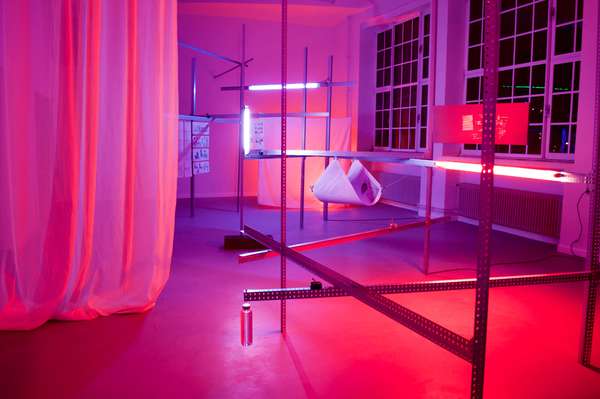
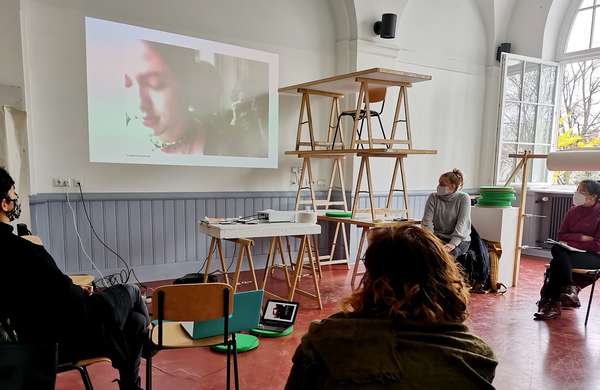
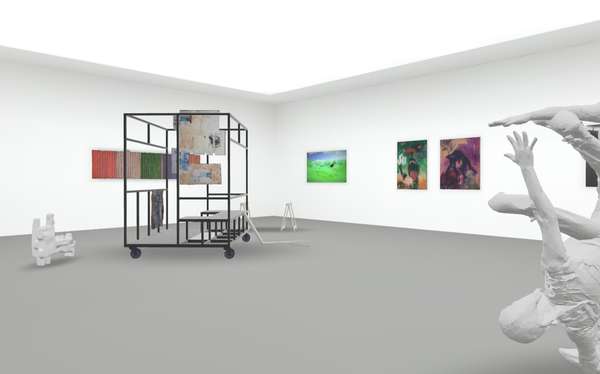
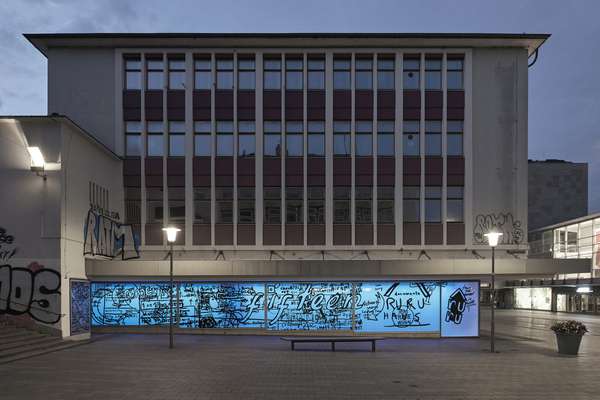
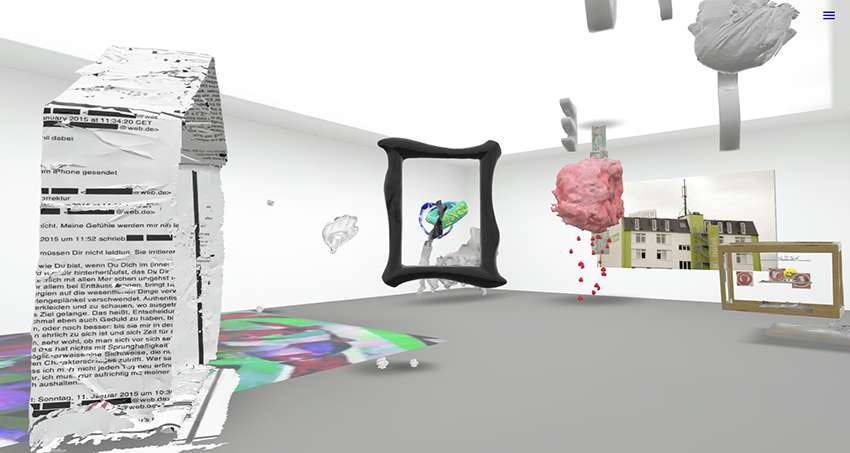
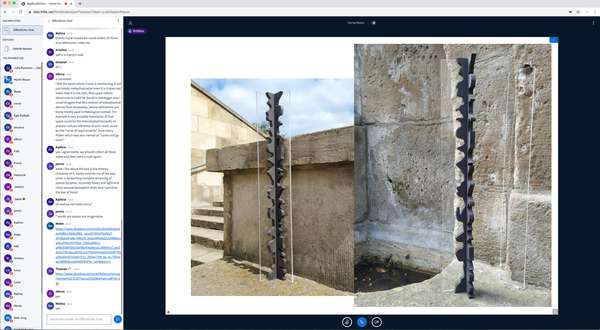
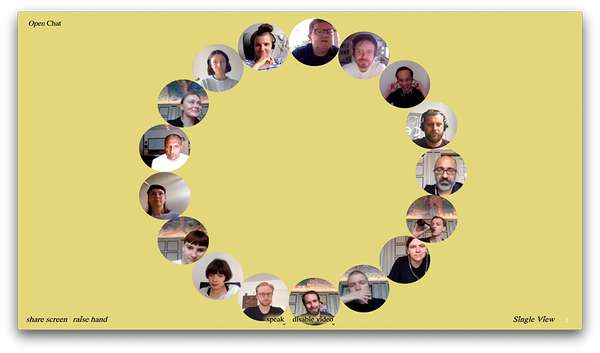
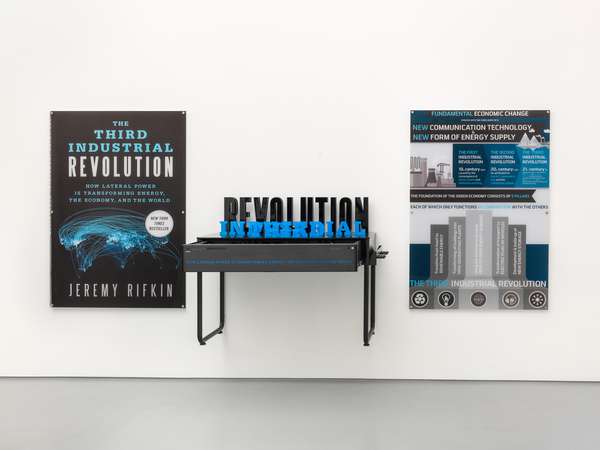
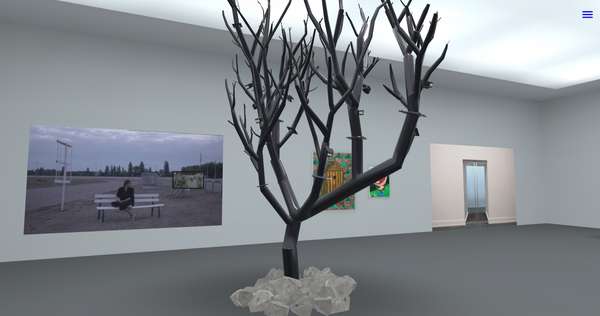
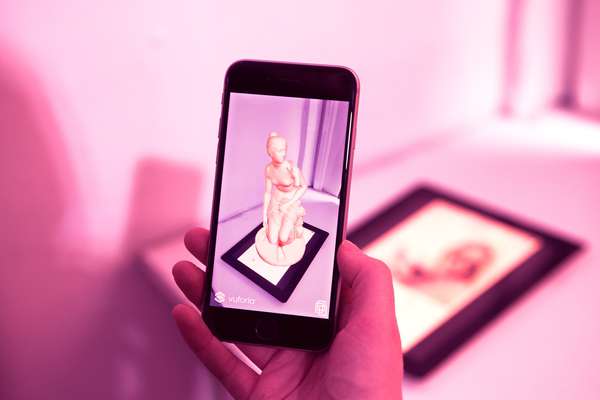
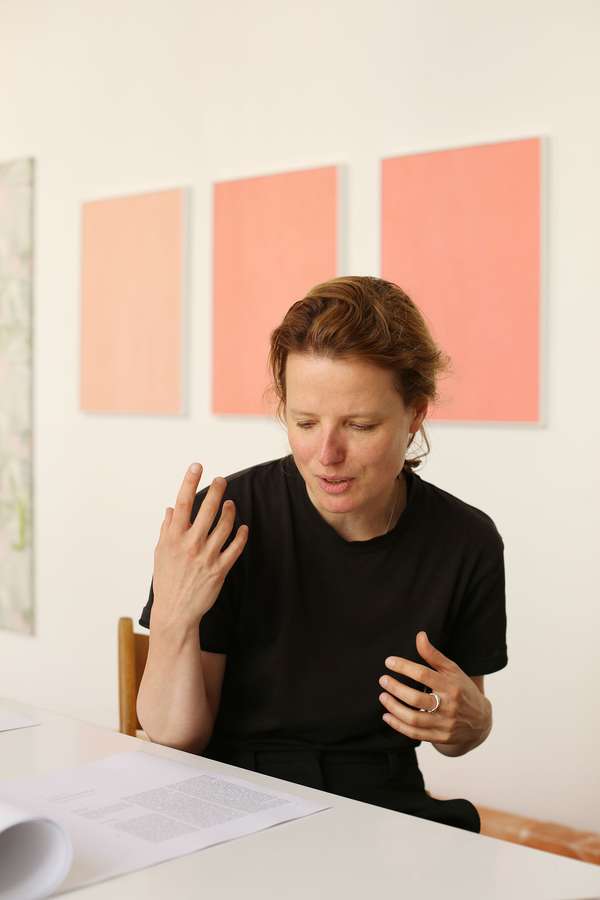
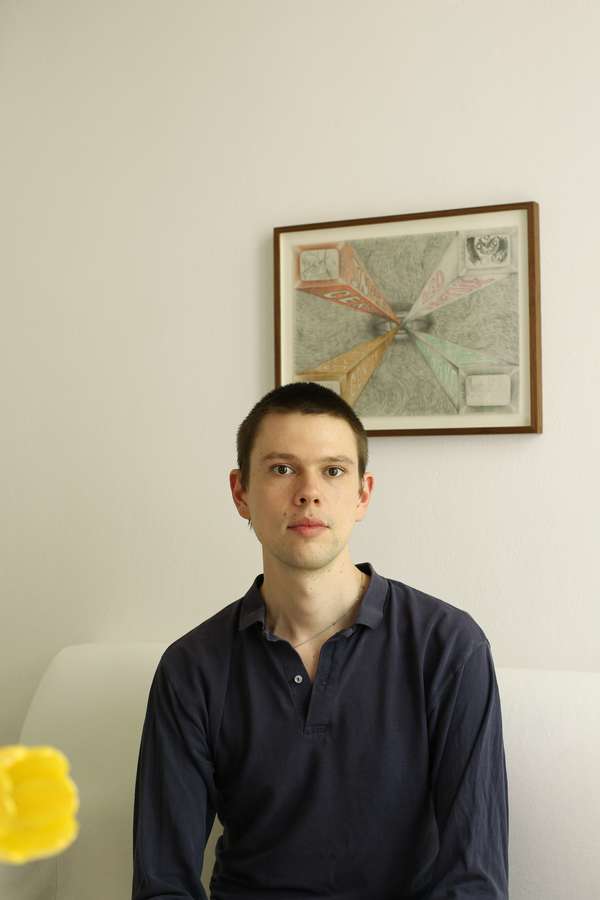
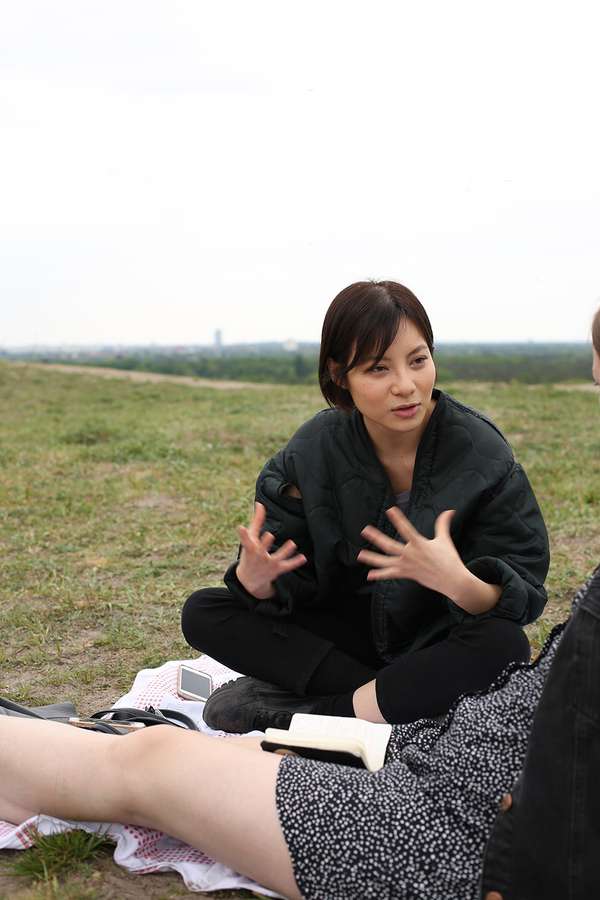
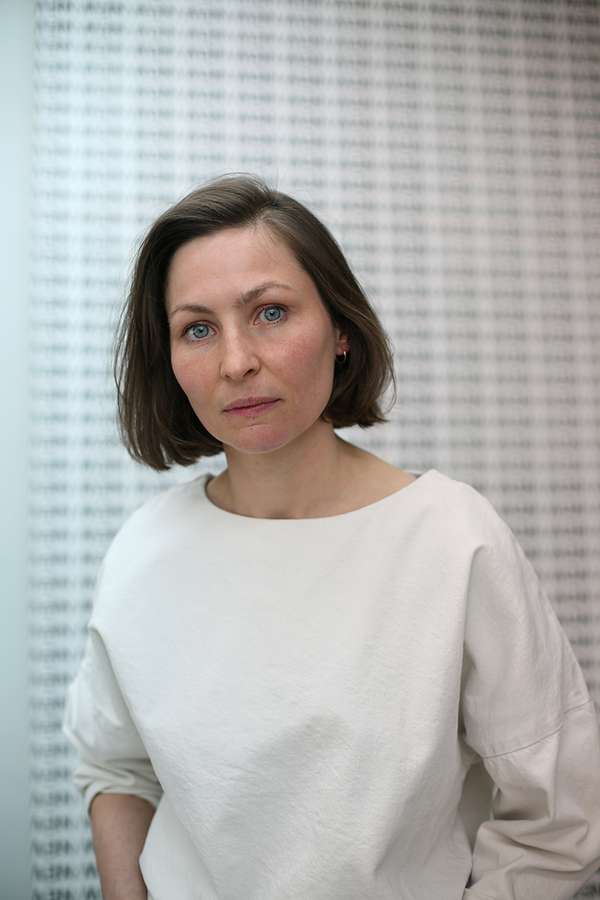
With a symposium, an exhibition, a film programme and a digital publication, the research project conceived by Prof. Hanne Loreck and Vanessa Gravenor examines the "archive" as a form of order with regard to the human body. Which body archives and discourses have become established? What potentials for political-aesthetic resistance and activism could and can emerge?





























 Archives of the Body - The Body in Archiving
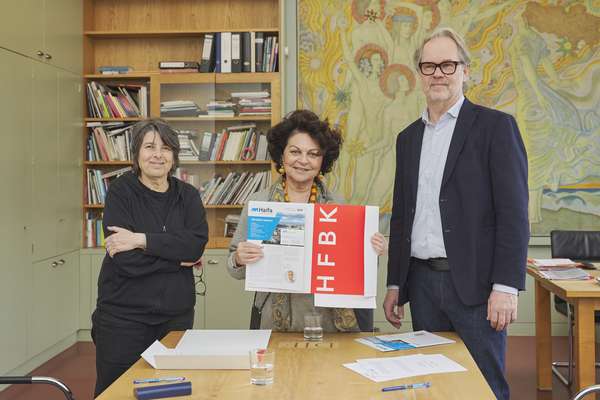
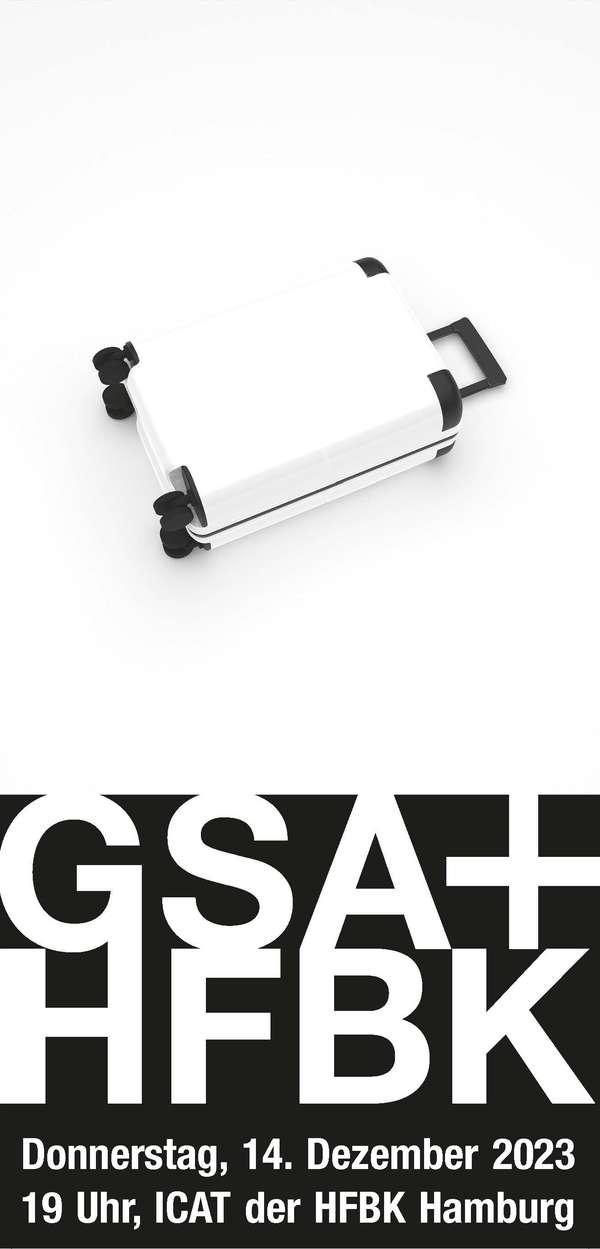
 New partnership with the School of Arts at the University of Haifa
 Exhibition recommendations
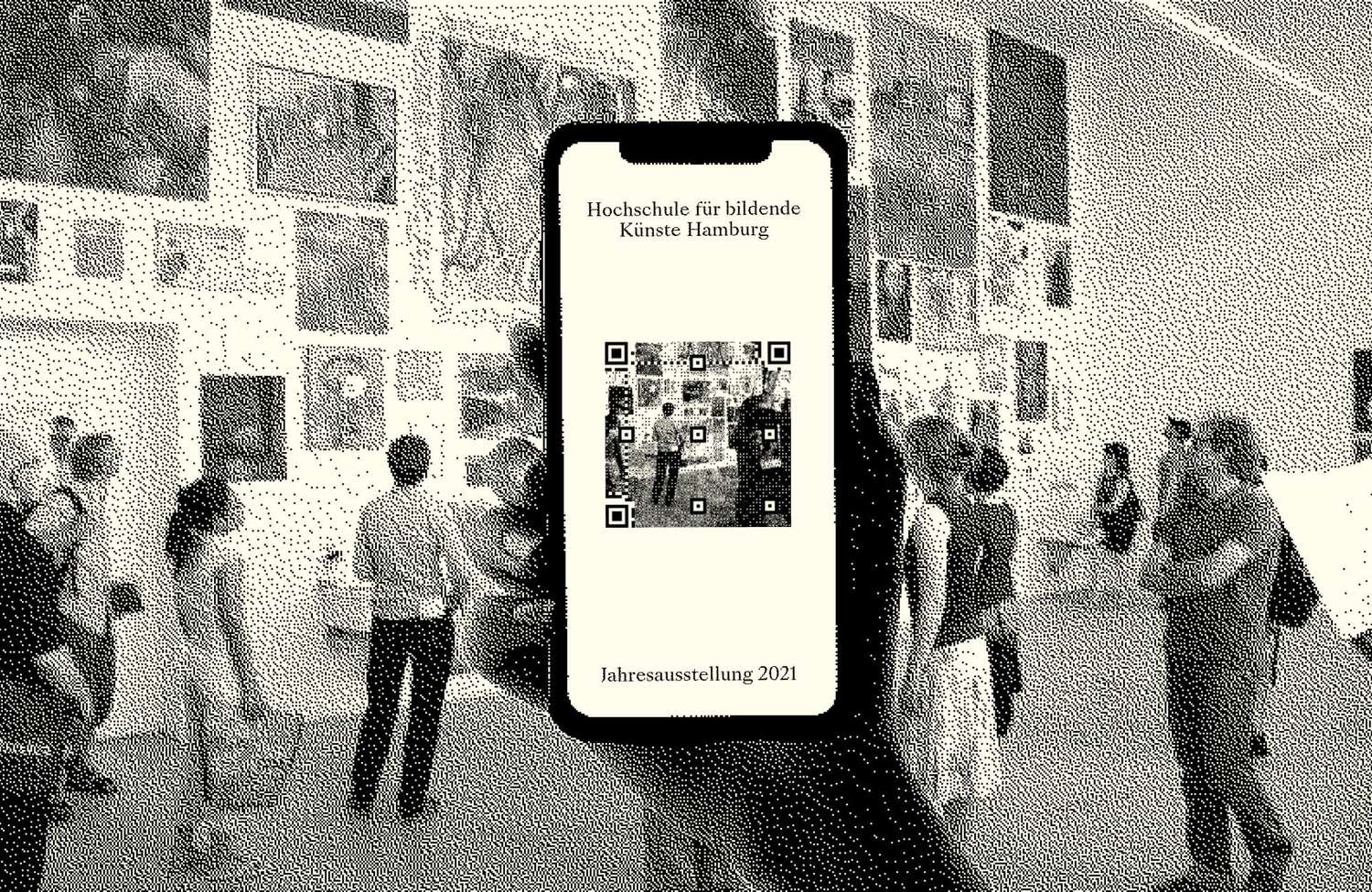
 Annual Exhibition 2024 at the HFBK Hamburg
 How to apply: study at HFBK Hamburg
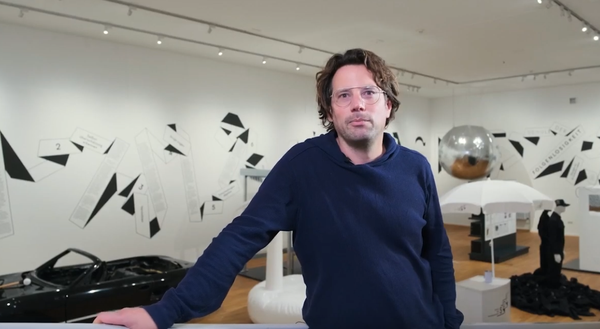
 (Ex)Changes of / in Art
 Extended Libraries
 Semester Opening 2023/24
 And Still I Rise
 No Tracking. No Paywall.
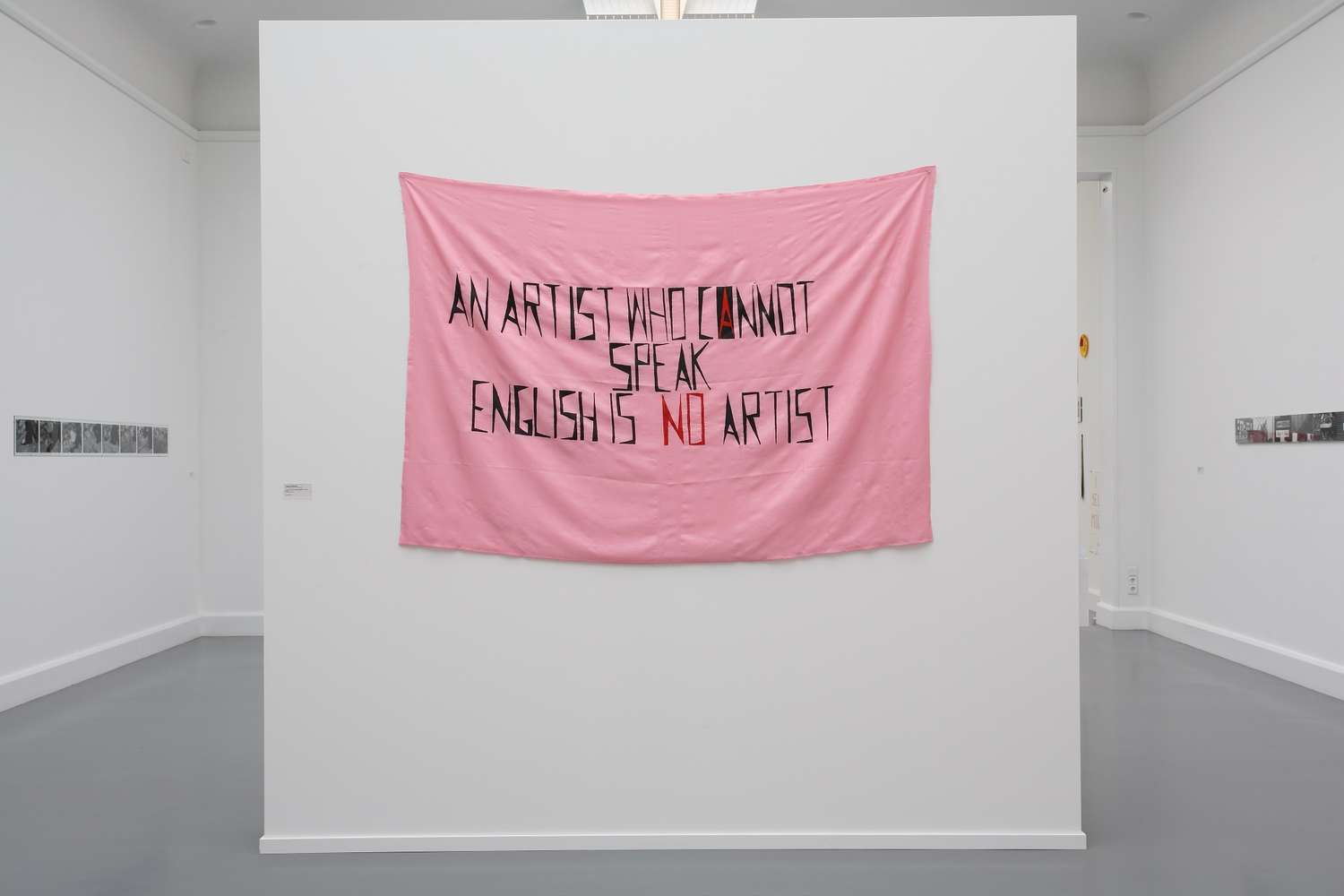
 Let's talk about language
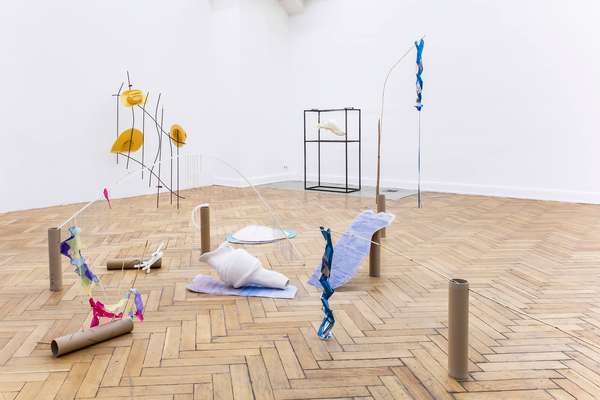
 Graduate Show 2023: Unfinished Business
 Let`s work together
 Annual Exhibition 2023 at HFBK Hamburg
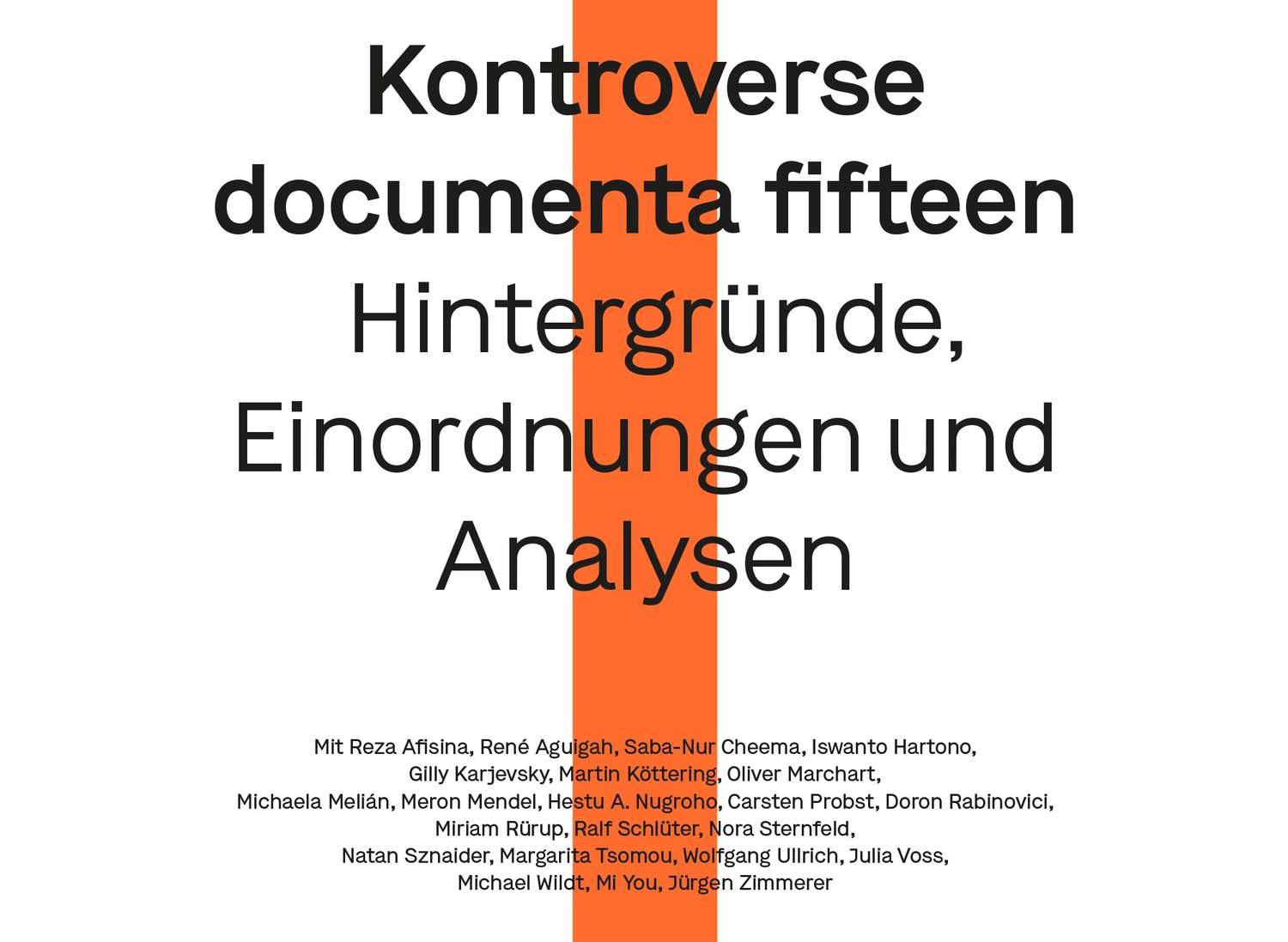
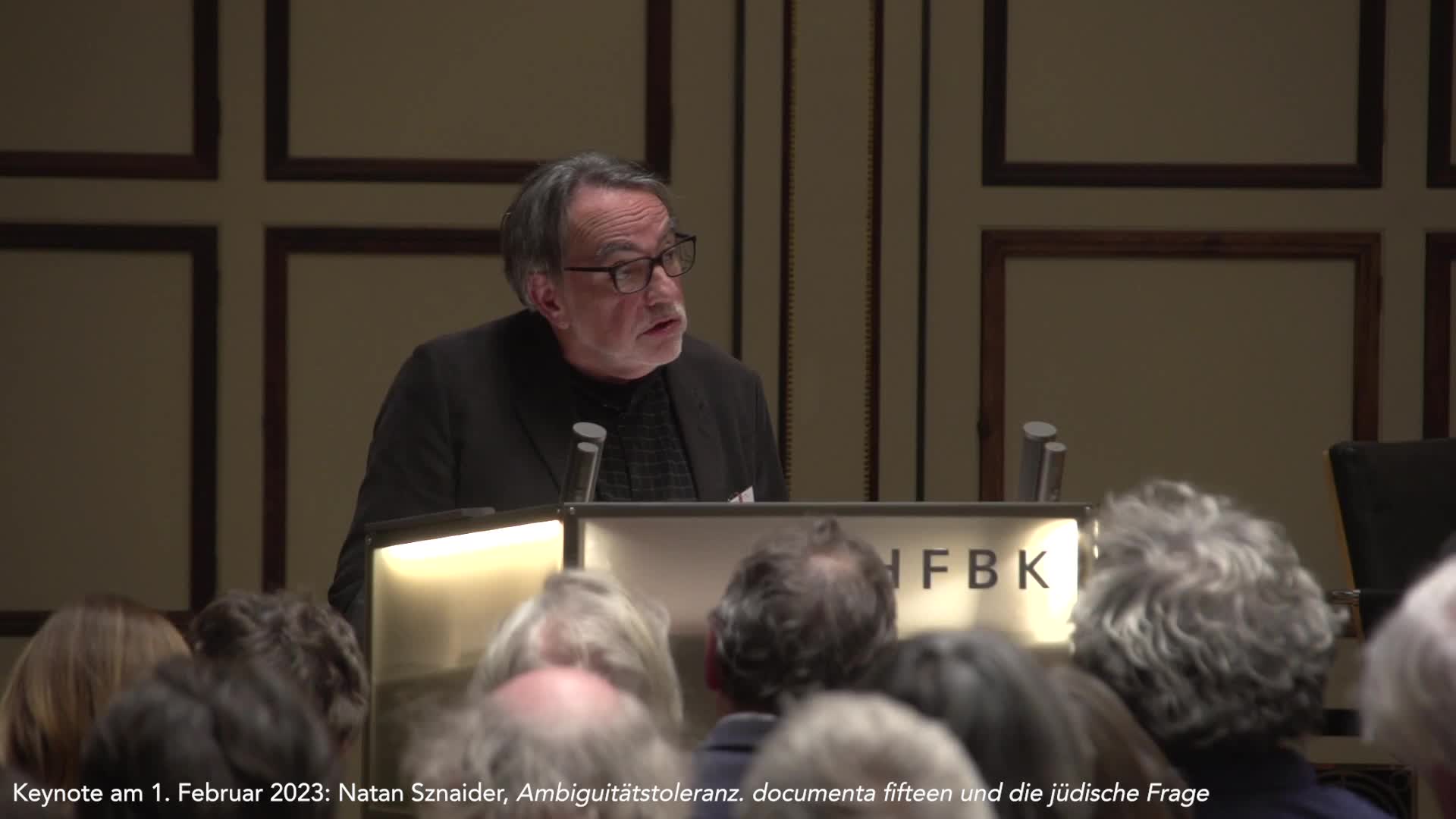
 Symposium: Controversy over documenta fifteen
 The best is saved until last
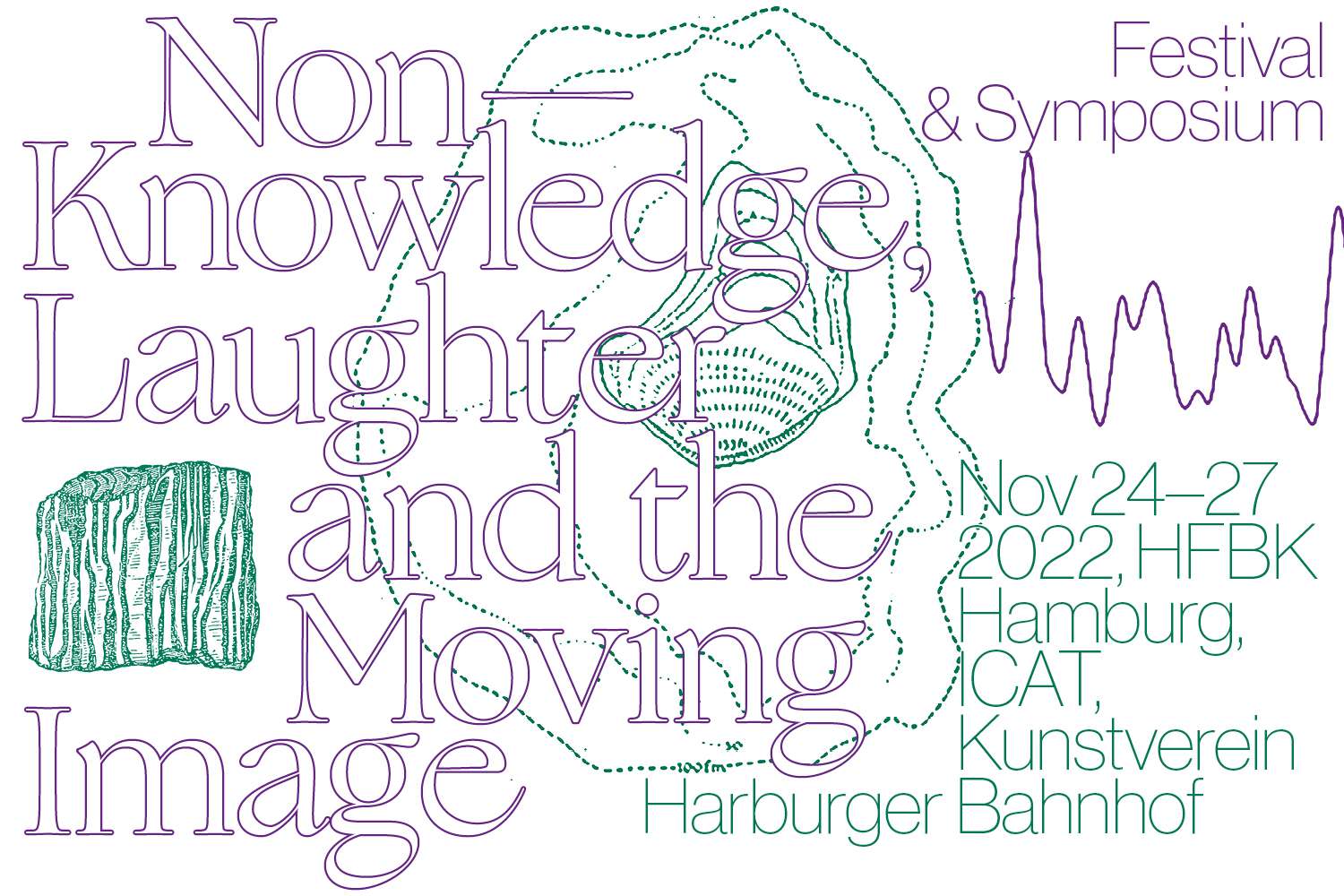
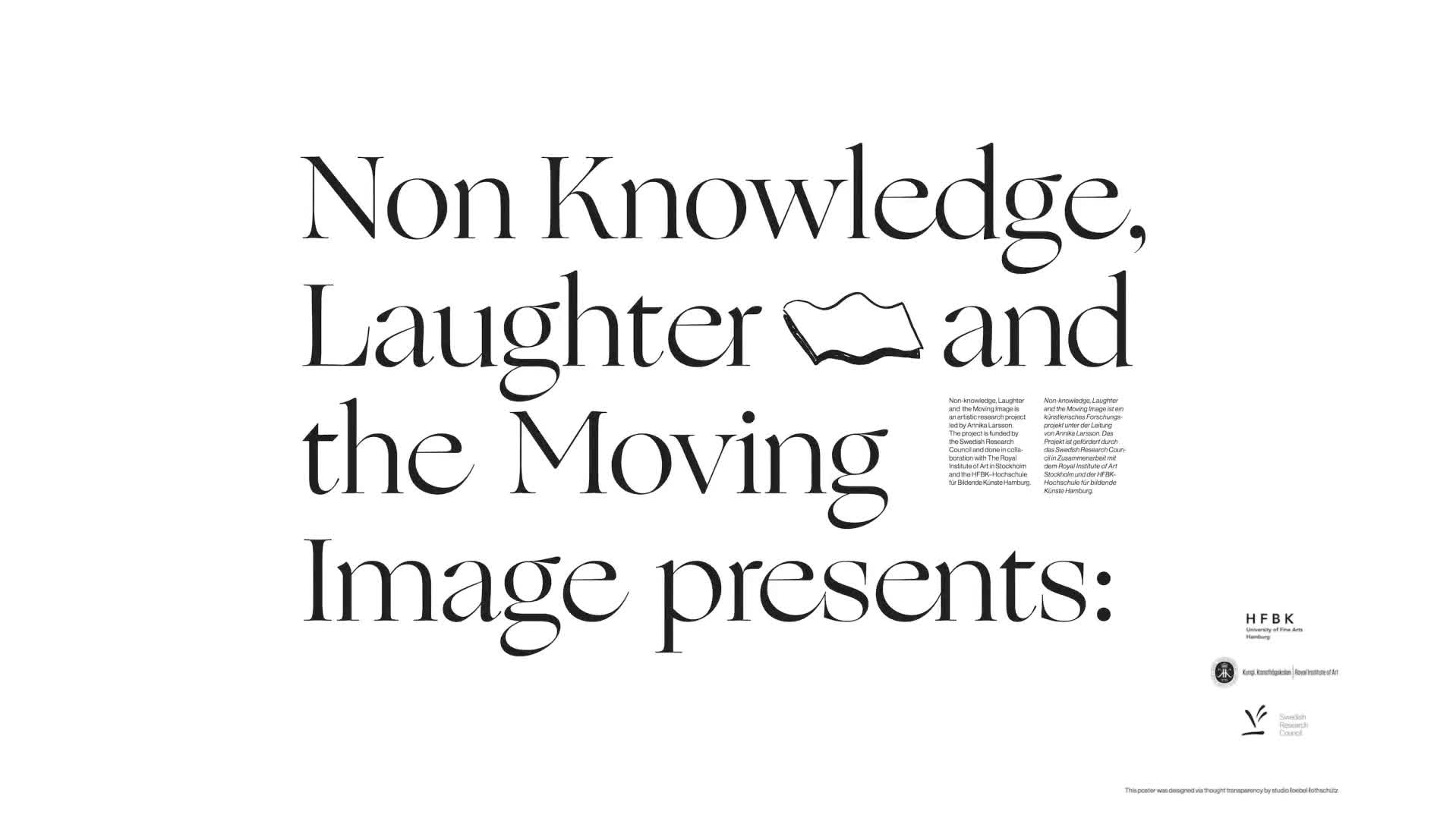
 Festival and Symposium: Non-Knowledge, Laughter and the Moving Image
 Wishing you a happy welcome
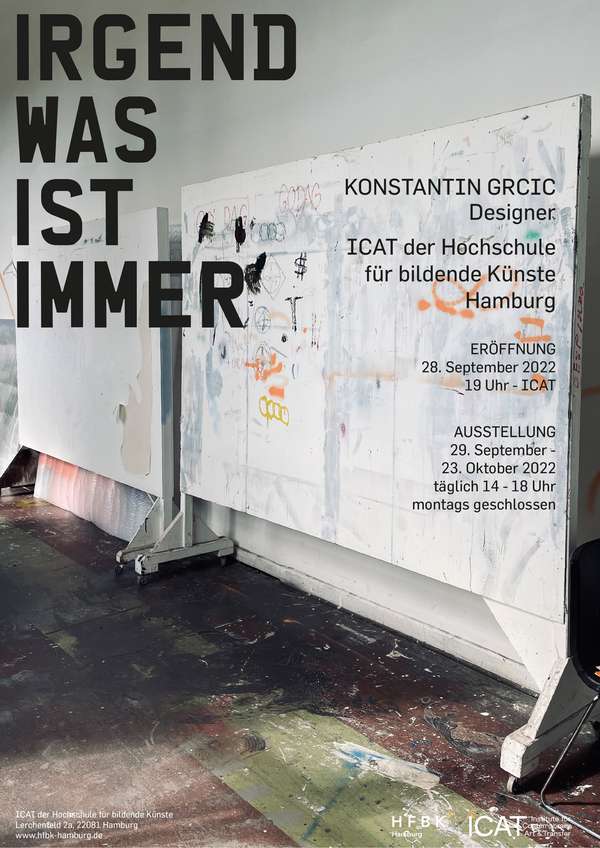
 Solo exhibition by Konstantin Grcic
 Art and war
 Graduate Show 2022: We’ve Only Just Begun
 June is full of art and theory
 Finkenwerder Art Prize 2022
 Nachhaltigkeit im Kontext von Kunst und Kunsthochschule
 Raum für die Kunst
 Annual Exhibition 2022 at the HFBK
 Conference: Counter-Monuments and Para-Monuments.
 Diversity
 Summer Break
 Live und in Farbe: die ASA Open Studios im Juni 2021
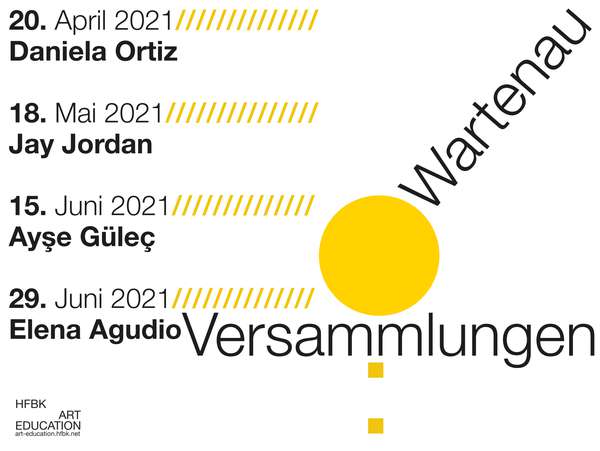
 Unlearning: Wartenau Assemblies
 School of No Consequences
 Annual Exhibition 2021 at the HFBK
 Semestereröffnung und Hiscox-Preisverleihung 2020
 Teaching Art Online at the HFBK
 HFBK Graduate Survey
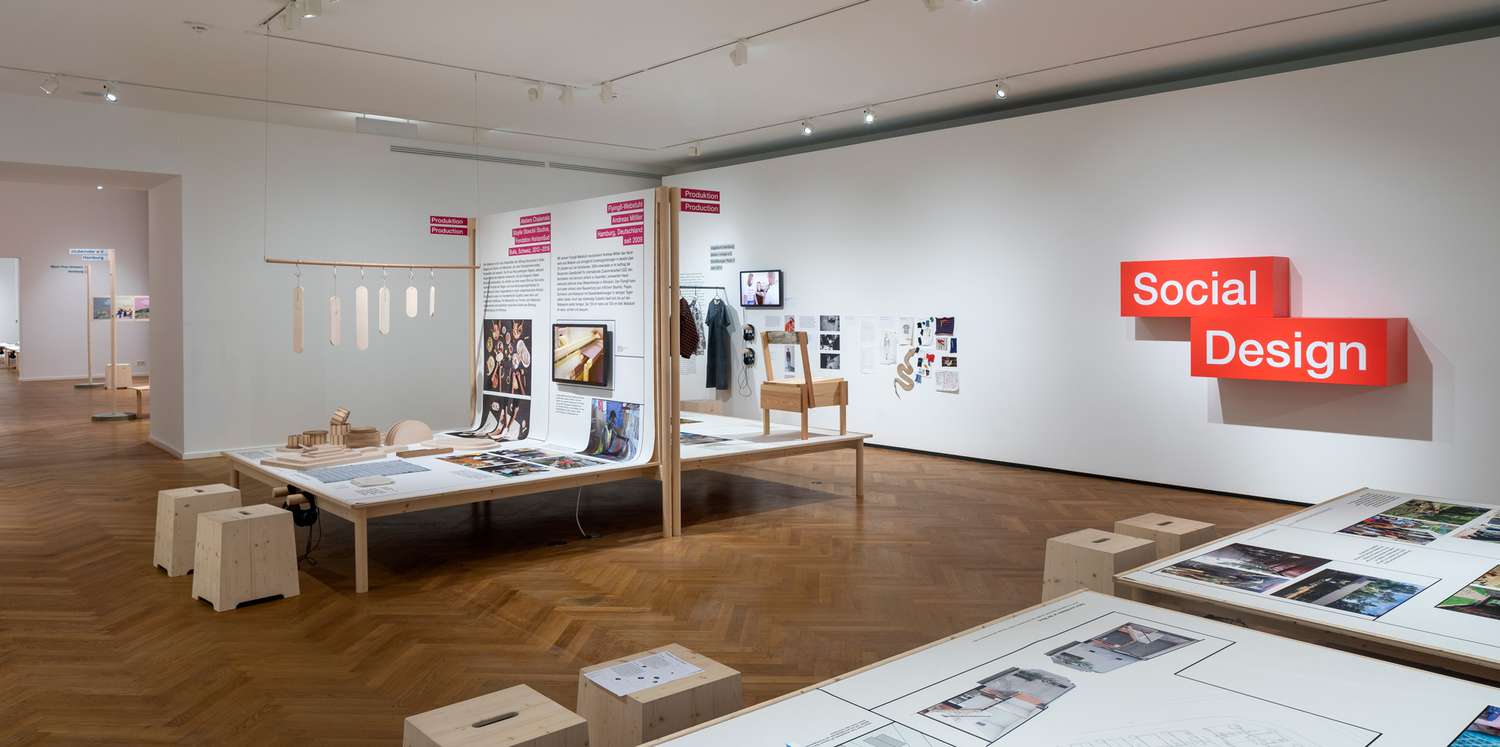
 How political is Social Design?